
When you install a new roof in Southern California, you expect lasting protection—yet that confidence only matters if the warranty behind it truly delivers. A roofing warranty defines whether your roof’s materials, workmanship, and long-term durability are actually protected—or if costly repairs could fall back on you. From the intense summer heat to occasional winter storms, local conditions test every roof, and understanding your warranty’s fine print can make the difference between full coverage and out-of-pocket expenses.
You’ll uncover how manufacturer and labor warranties work together and where they often fall short under California’s unique climate rules. This includes knowing what’s covered, how long it lasts, and which maintenance steps keep your protection valid. Many homeowners assume “lifetime” means guaranteed, but in reality, coverage terms and responsibilities can change faster than expected.
At Tom Byer Roofing Service, decades of experience in Garden Grove have shown how informed decisions lead to roofs that last. By knowing exactly what each warranty promises—and what it doesn’t—you can choose the right protection for your home or business and avoid surprises down the road.
Where Roofing Warranties Apply And Fall Short
Roofing warranties protect you only when clear conditions are met. They often separate coverage for materials, labor, and system components, and exclude damage caused by improper installation, neglect, or outside alterations. To get reliable protection, you must understand exactly where each warranty applies and where it does not.
New Installations Versus Repair Work Eligibility
Most full roofing warranties apply only to new installations. A brand‑new roof installed by a licensed contractor usually qualifies for both material and labor coverage. When you schedule repairs on an older roof, any warranty protection often becomes limited.
Manufacturers and contractors usually treat repair work as separate from the original installation. If only a small area is re‑shingled or re‑flashed, the new material may be covered for defects, but the rest of the roof remains under its existing or expired terms. You may also face reduced coverage time since repair areas don’t reset the clock on prior warranties.
Keep written records of all service dates and contractors used. In California, licensed roofers must disclose what parts of your project are covered, so verifying these details before paying helps ensure your repair work stays eligible for the correct protection.
Manufacturer-Backed Systems Versus Mixed Components
Manufacturers often offer a system warranty when their shingles, underlayment, flashing, and ventilation products come from the same brand. Using a full system makes it easier to qualify for extended or lifetime material coverage. It also simplifies claims because the manufacturer can confirm that every critical part meets their specifications.
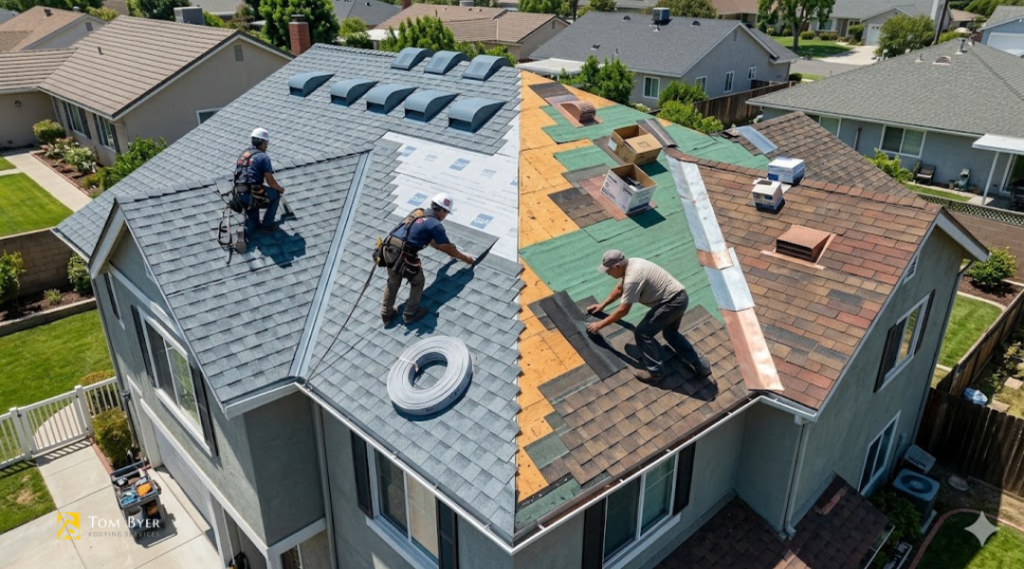
When you combine different brands—such as one company’s shingles with another’s ridge vents—the manufacturer usually won’t honor a system warranty. At best, each product will carry its own limited warranty, leaving you responsible for coordinating between multiple providers.
This fragmented coverage can cause confusion if a leak occurs where those components meet. To maintain full protection, check both product and installation compatibility and save the manufacturer’s written warranty terms for your records.
Residential Coverage Versus Commercial Limitations
Residential roofing warranties in Southern California often focus on single‑family homes and smaller multi‑unit buildings. They include material coverage for common asphalt shingles or tile systems and limited labor protection from contractors. In contrast, commercial warranties tend to require stricter inspection schedules, specify shorter terms, and apply to different materials such as PVC membranes or built‑up roofing.
If a property falls outside a manufacturer’s residential category—like an apartment complex or rental unit—you may need a commercial warranty with separate maintenance requirements. Some warranties exclude foot traffic, rooftop equipment, or HVAC penetrations, which are common in commercial properties. Always review the category listed in your contract so your coverage matches how the building is used.
Situations Where Warranties Become Void Or Irrelevant
You can lose warranty coverage faster than you might expect. Common causes include:
| Cause | Example | Result |
|---|---|---|
| Poor installation | Incorrect nailing, missing underlayment | Warranty voided by manufacturer |
| Unapproved roof changes | Adding solar panels or skylights without notice | Coverage canceled for affected areas |
| Lack of maintenance | Failing to inspect or clean gutters | Claim denied due to neglect |
California’s contractors law requires proper documentation of work and maintenance. If you skip required inspections or fail to use licensed professionals, a provider can deny claims even for genuine material defects. Always keep inspection reports, invoices, and proof of compliance with manufacturer maintenance schedules to avoid ending up with an invalid or “irrelevant” warranty when you need it most.
Material And Labor Warranty Systems Explained
Roofing warranties protect you from the cost of defective materials and poor installation work. They define who is responsible when your roof fails and under what conditions repairs or replacements are covered. Knowing how manufacturer and contractor warranties work helps you plan for long-term roof performance and avoid unexpected expenses.
Manufacturer Material Defect Coverage Scope
A manufacturer material warranty covers roofing materials that fail due to factory defects. This includes shingles, underlayment, and other components that meet the manufacturer’s system requirements. In Southern California, where sun exposure and temperature changes are intense, this type of warranty is especially valuable for preventing early material breakdown.
Most manufacturer warranties apply only when products are installed according to their specifications. They typically exclude problems caused by improper installation, poor ventilation, or storm damage.
Commonly covered materials include:
- Asphalt or architectural shingles
- Underlayment membranes
- Hip and ridge caps
- Ventilation parts specified by the manufacturer
Coverage usually pays for replacement materials but may not include labor costs. Extended manufacturer warranties may expand this protection to cover both materials and the labor needed for replacement when installed by certified roofing contractors.
Contractor Workmanship Warranty Definitions
A contractor workmanship warranty protects you from issues caused by installation errors. If a roofer does not install shingles correctly or fails to seal flashings properly, this warranty ensures they return to correct the problem. It addresses labor quality rather than the product itself.
Workmanship warranties differ by contractor and can vary from a few years to lifetime terms. Reliable roofing contractors in Southern California usually back their work with at least a 5- to 10-year warranty.
Typical coverage includes:
- Repairs due to installer error
- Leaks caused by improper flashing or sealing
- Labor and materials needed to fix these issues
Exclusions often include storm damage, structural shifting, or other causes unrelated to the contractor’s work. Verifying the roofer’s warranty in writing helps you understand exactly what situations are covered.
Prorated Versus Non-Prorated Coverage Timelines
Roofing warranties often shift from non-prorated to prorated coverage after a set period. A non-prorated term offers full repair or replacement value with no reduction in compensation. After that period ends, prorated coverage means your reimbursement shrinks over time as the roof ages.
For example, a 50-year limited lifetime warranty might cover full material and labor for the first 10 years and then reduce payout gradually each year.
The following table shows a general comparison:
| Coverage Type | Duration Example | Value Over Time |
|---|---|---|
| Non-Prorated | First 10 years | Full material and labor cost |
| Prorated | Years 11–50 | Partial cost based on roof age |
Understanding where your warranty shifts helps you plan for future maintenance costs and avoid surprises during claims.
Transferability And Ownership Change Conditions
Warranty transfer rules determine whether coverage continues when you sell your home. Many roofing manufacturers allow a one-time transfer to a new owner if you register the transfer within a set timeframe, usually 30–60 days after closing. Some may charge a small fee or reduce coverage duration after transfer.
For workmanship warranties, transferability depends on the contractor’s policy and business continuity. If the original installer retires or closes their business, that warranty may end automatically.
You should:
- Keep registration and proof of purchase documents
- Confirm transfer procedures in writing before selling
- Contact the manufacturer or roofing contractor to verify eligibility
Proper documentation ensures that both you and any future homeowner can make valid warranty claims if material defects or workmanship problems appear later.
Coverage Boundaries And Exclusions In Southern California Conditions
Warranty coverage for roofs in Southern California comes with specific limits shaped by local weather, maintenance expectations, and how the roof was installed. Many warranty claims are denied because the cause of damage falls outside what manufacturers or contractors define as “covered conditions.” Understanding these limits helps you plan upkeep and avoid disputes later.
Heat, UV Exposure, And Environmental Wear Factors
Southern California’s intense sunlight and high temperatures cause roofing materials to expand, contract, and degrade faster. Prolonged UV exposure can fade colors, dry out sealants, and weaken shingles or membranes over time. Most warranties classify this type of environmental wear as normal aging, not a defect.
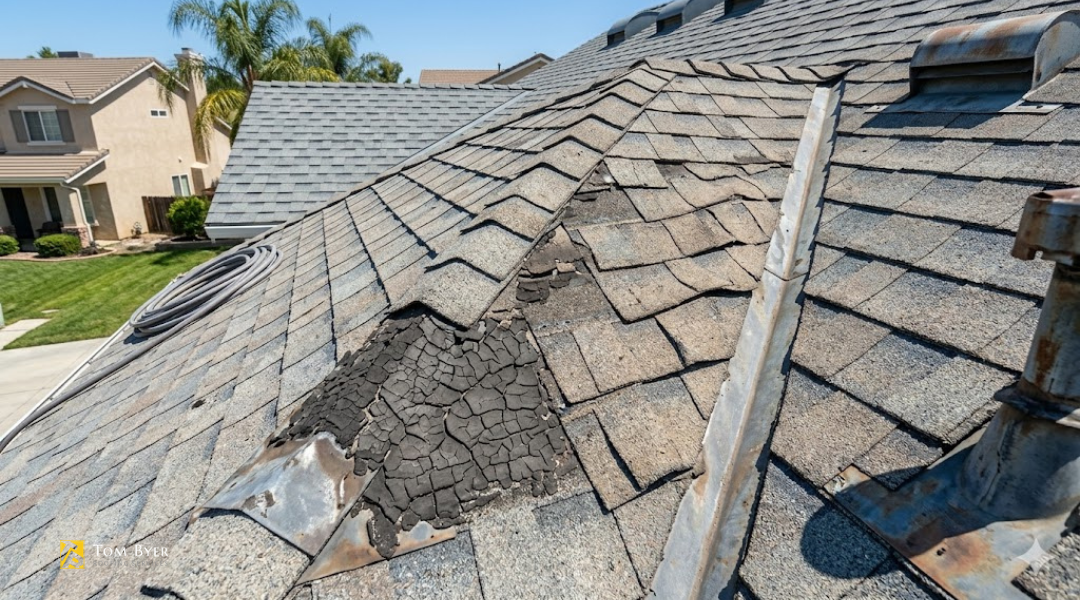
Manufacturers may include pro-rated terms, meaning coverage value decreases after the first few years. For example, a 30-year shingle may offer full protection for the first decade, then partial coverage that declines each year afterward. These terms reflect expected material wear under local sun and heat conditions.
To reduce premature aging, you can install reflective coatings or use materials rated for high UV exposure. Keeping your roof clean and free from debris also helps slow UV deterioration, which maintains performance and protects limited warranty value.
Improper Installation Versus Material Failure Disputes
A common source of denied claims is the disagreement between installation errors and material defects. If leaks or surface damage result from improper underlayment, flashing, or fastening, the manufacturer often denies responsibility. Those issues fall under workmanship warranties, which are separate from material coverage.
Improper flashing around vents, skylights, or chimneys frequently causes leaks that mimic material failure. In these cases, an inspection often reveals installation mistakes such as misaligned seams or insufficient sealing. The installer’s labor warranty may cover repairs if the problem stems from poor workmanship.
When a product flaw, like a defective shingle batch, causes the issue, the manufacturer typically provides replacement materials but not labor costs. Knowing which warranty applies—material or workmanship—helps you contact the right party first and resolve problems faster.
Maintenance Requirements Tied To Warranty Validity
Most warranties require regular maintenance to stay valid. Missing simple tasks can void your coverage. You usually must perform annual inspections, clean gutters, and remove leaves, dirt, or standing water that can trap moisture.
Some manufacturers ask you to keep written service records or inspection reports as proof of maintenance. This documentation is often necessary when filing a claim. Failure to provide it can result in denial, even if the damage seems unrelated.
Regular maintenance also helps detect small issues, such as minor flashing gaps or cracked sealant, before they grow. Addressing these early keeps your roof system within warranty terms and extends its life under Southern California’s demanding conditions.
External Damage Events Outside Warranty Scope
Warranties rarely cover roof damage from external forces like wind-driven debris, wildfires, or earthquakes. These events fall under your homeowner’s insurance instead. If high winds lift shingles or hail punctures a membrane, the loss is usually considered an act of nature, not a manufacturing or installation defect.
Animal activity, such as birds nesting near vents or rodents chewing through materials, is also excluded. Even nearby construction vibrations or falling branches from trees on your property often fall outside warranty boundaries.
Below is a quick reference for typical exclusions:
| Event Type | Typical Coverage |
|---|---|
| Heat or UV wear | Normal aging, not covered |
| Improper flashing | Installer workmanship issue |
| Poor maintenance | Voids warranty |
| Fire or earthquake | Insurance claim, not warranty |
Checking both your warranty and insurance policies helps you prepare for these scenarios and understand who to contact when damage occurs.
Interpreting Tradeoffs Between Warranty Types And Terms
Roofing warranties differ in how they balance coverage length, scope, cost, and responsibility. You often face choices between longer terms and broader protection, premium systems that extend coverage, or short-term warranties tied to standard installations. Each decision affects your long-term maintenance and financial exposure.
Longer Duration Versus Limited Coverage Scope
A longer warranty duration can sound appealing, but it rarely means full protection for the entire time. Most “lifetime” or extended warranties apply prorated coverage. This means you receive less value the older your roof becomes.
A longer term often focuses on material defects only. For example, asphalt shingles might be covered for 30 years, but labor and installation are excluded after the first few. Warranties that include workmanship coverage usually expire much sooner, often within 5 to 10 years.
When evaluating terms, pay close attention to conditions like required maintenance or registration deadlines. If you miss inspections or transfer ownership without notifying the manufacturer, you could lose your warranty protection. For many homeowners, a shorter but more inclusive warranty can offer better value than a long but limited policy.
Premium Systems Versus Standard Manufacturer Warranties
Manufacturers often group components into integrated roofing systems. Buying all parts—underlayment, vents, shingles—from one brand can qualify you for a premium system warranty. This type may extend both material and labor coverage when installed by certified contractors.
In contrast, standard manufacturer warranties usually protect only individual materials. If a leak results from improper flashing or poor ventilation, you may not be covered. The table below illustrates typical contrasts:
| Feature | Premium System Warranty | Standard Manufacturer Warranty |
|---|---|---|
| Material Coverage | Full system components | Shingles or materials only |
| Labor Coverage | Often included | Usually excluded |
| Contractor Certification | Required | Not required |
| Transferability | Often included | Sometimes limited |
Premium options require specific installation rules and may cost more upfront. But if you live in an area with frequent heat or sun exposure, such as Southern California, the extra durability and unified warranty coverage can justify the investment.
Cost Implications Tied To Extended Protection Plans
Extended warranties often come as optional upgrades. They can extend coverage for materials and, sometimes, labor beyond standard terms. These plans add cost but reduce long-term repair risk.
Before paying for them, compare what situations are truly covered. Some plans only add extra years of protection without expanding what’s covered. Others may include value-added services such as annual inspections or faster claim responses.
Think of each offer in terms of cost over time. Paying a few hundred dollars more during installation can save you thousands in future roof repairs if it covers both parts and labor. However, if an extended plan excludes most common issues—like storm damage or poor ventilation—it may not be worth the expense.
Risk Allocation Between Homeowner, Contractor, And Manufacturer
Each warranty type divides risk differently. Manufacturer warranties take responsibility for defective materials, while contractor warranties protect against installation errors. You’re responsible for proper roof care and documentation.
If you neglect maintenance, your claim can be denied even when the issue seems unrelated. Inspections matter because they prove compliance with warranty terms. Likewise, using non-certified crews or unapproved materials can shift responsibility from the manufacturer to you.
When disputes arise, understanding who covers what helps avoid blame or out-of-pocket costs. Reviewing warranty language before work begins ensures all parties—homeowner, contractor, and manufacturer—agree on risk distribution. This clarity protects you from coverage gaps once the roof is installed.
How Tom Byer Roofing Service Interprets Warranty Realities
Tom Byer Roofing Service treats warranties as working agreements built on accurate installation, proper upkeep, and clear documentation. You benefit most when certified installers follow manufacturer rules, file detailed records, and review inspection data to keep coverage valid.
Aligning Installation Standards With Manufacturer Requirements
You can protect your warranty by ensuring that every roof meets the manufacturer’s exact specifications. Tom Byer Roofing Service follows the required Title 24 Cool roofing and asphalt system standards common in Southern California. Their team of certified installers uses approved materials, adhesives, and ventilation methods, which prevent warranty voids tied to improper installation.
Each manufacturer—like Owens Corning®—sets strict guidelines for heat exposure, underlayment use, and fastening patterns. A clear match between manufacturer specs and installation procedures helps confirm that warranty coverage will apply if a leak or defect develops. The company trains installers to document every phase of the job, creating a verifiable record for future warranty claims.
Regular refreshers keep crews current on policy updates and regional building codes. This attention to precise standards helps you gain both compliance and peace of mind that your warranty rights remain intact.
Managing Documentation And Claim Validation Processes
Tom Byer Roofing Service keeps careful records from the proposal stage through final inspection. You receive copies of material warranties, labor coverage details, and manufacturer registration papers. Keeping these documents organized is key when filing a warranty claim.
The company helps verify claim eligibility by matching invoice data, material batch numbers, and installation day reports with warranty terms. If a problem arises, this organized paper trail shortens review time and improves approval odds.
Below is a simplified structure they encourage clients to maintain:
| Document Type | Purpose | Retention Period |
|---|---|---|
| Manufacturer Warranty | Defines coverage term and limits | Life of roof |
| Installation Records | Verifies certified work and compliance | Life of roof |
| Inspection Reports | Confirms ongoing maintenance | Update annually |
Following this process helps establish that any reported defect relates to material or manufacturing issues, not skipped maintenance or improper installation.
Reconciling Inspection Findings With Warranty Limitations
Routine roof inspections uncover damage before it turns into a denied claim. Tom Byer Roofing Service compares their inspection data against warranty exclusions like storm or impact damage. You see which repairs qualify for warranty work and which require out-of-pocket payment.
When inspectors find evidence of material fatigue or sealant failure, they document conditions using photos and maintenance notes. This report supports your claim when the manufacturer requests proof of cause. However, if neglect or unauthorized repairs appear, the company explains why the warranty coverage may not apply.
You stay informed about issues tied to roofing wear patterns that are often misunderstood, such as ponding water on flat surfaces or sun-bleached coatings. Accurate interpretation of findings helps you take action quickly without misunderstanding warranty terms.
Balancing Durability Expectations With Warranty Coverage Limits
A strong roof can last decades, but warranty coverage does not promise indefinite performance. Tom Byer Roofing Service separates realistic durability expectations from the written warranty. You understand that coverage usually targets specific defects rather than general wear.
During consultations, the company explains the typical life span of materials such as asphalt shingles, concrete tile, or hot asphalt systems used across Orange County. By discussing these details early, you can plan for both warranty-covered repairs and future replacements outside warranty scope.
The team encourages you to read the small print outlining prorated periods, transfer rules, and labor limitations. You see how workmanship warranties differ from manufacturer warranties, and how each applies in real service events. This balanced approach prevents confusion and keeps your maintenance strategy practical and cost-effective.