
Incorporating solar panels into your roof design can be a smart and sustainable choice for your home. By selecting the right roofing materials and installation techniques, you can enhance your roof’s energy efficiency while adding value to your property. This blog post will guide you through the essential steps to seamlessly integrate solar panels into your roofing project.
As a homeowner, you might wonder how to balance aesthetics and functionality when adding solar energy solutions. Understanding your roof type and the best practices for installation can greatly impact both the appearance of your home and the performance of the solar system. Whether you are replacing an old roof or designing a new one, making the correct choices can set you on the path to energy savings and environmental responsibility.
With Tom Byer Roofing Service, you can trust that your solar panel integration will be handled with expertise and care. Our experience as a leading roofing contractor in Garden Grove ensures you receive personalized solutions that meet your specific needs. Read on to discover practical tips and considerations for incorporating solar panels into your roof design.
Understanding Solar Panel Integration
When you incorporate solar panels into your roof design, you take a proactive step towards energy independence and sustainability. This section explores solar panel integration, its benefits, and the different types of solar panel systems you can choose from.
What Is Solar Panel Integration?
Solar panel integration involves strategically placing solar panels into the design of your roof. This can mean mounting them on the roof surface or using built-in options where solar technology is part of the roofing materials.

The aim is to generate electricity using sunlight while enhancing the structure of your home. Integrated systems can include solar roof tiles that blend seamlessly with traditional materials.
This method helps maximize your roof’s energy efficiency while maintaining aesthetic appeal. Understanding this integration is crucial for making informed decisions about your energy use.
Benefits of Integrating Solar Panels Into Roof Design
Integrating solar panels into your roof design offers several advantages. First, it enhances energy independence by allowing you to produce your own electricity. This can significantly reduce your monthly energy costs.
Moreover, solar energy contributes to a lower carbon footprint. You use fewer fossil fuels and reduce greenhouse gas emissions, promoting sustainability.
In addition to financial savings, solar panels can increase your home’s value. Many buyers are looking for homes with green technologies.
Lastly, this integration allows for a more appealing design. The smooth incorporation of solar technology into your roof can make your home look modern without sacrificing functionality.
Types of Solar Panel Systems: Mounted vs. Integrated
When considering solar panel systems, there are two main types: mounted and integrated.
Mounted Solar Panels: These are typically installed on racks that sit on top of your existing roof. They capture sunlight effectively but can be more visible, potentially affecting your roof’s appearance.
Integrated Solar Panels: These panels are built into the roofing materials, creating a cohesive look. They can be more expensive but offer better aesthetics and protection.
Both types can help achieve energy independence and reduce energy costs. Your choice will depend on your budget, design preferences, and energy needs. It’s essential to weigh the pros and cons of each system before making a decision.
Assessing Your Roof for Solar Panel Installation
Before installing solar panels, it’s essential to assess your roof’s specific features and condition. This evaluation ensures that your roof can support the solar system effectively and maximize energy production. Key factors include structural integrity, orientation, material compatibility, and space availability.
Structural Integrity and Load-Bearing Capacity
First, you need to determine if your roof can support the weight of solar panels. A strong structural framework is crucial for safety and efficiency. Typically, roofs must bear an additional load of about 3 to 6 lb/ft² for solar panels.
If your roof is older, inspect for any signs of wear or damage. If your roofing system exceeds 10-12 years, consider re-roofing before installing solar. Ensure your roof type—be it flat, sloped, metal, or tile—meets these load requirements. A professional assessment can help identify any necessary reinforcements.
Roof Orientation and Sunlight Exposure
The orientation of your roof plays a huge role in solar panel performance. South-facing roofs typically receive the most sunlight throughout the day. If your roof is oriented east or west, you might still gain substantial energy, but it’s less efficient.
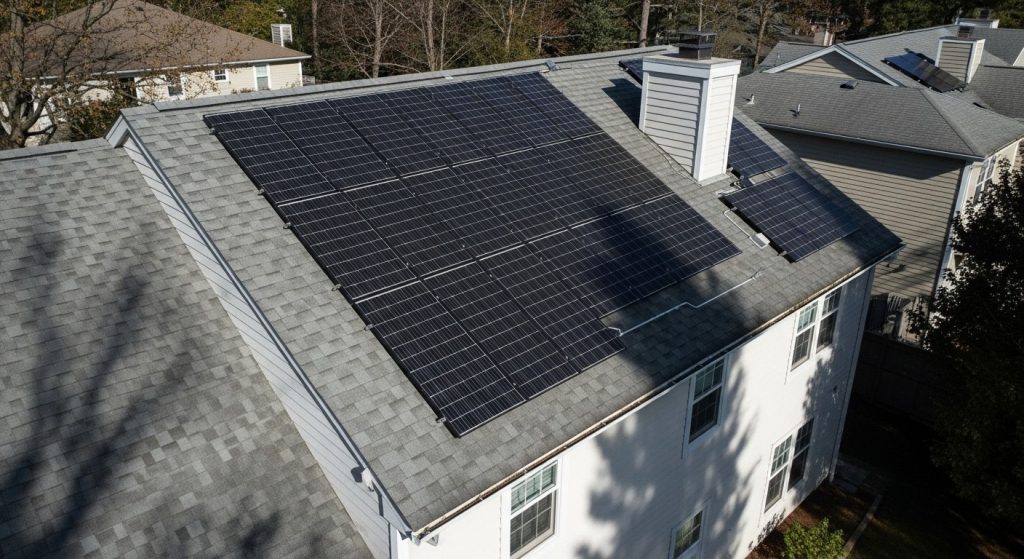
Check for any obstructions that could block sunlight, such as tall buildings, trees, or chimneys. A clear exposure allows for optimal energy capture. In addition, consider the angle of your roof; steeper slopes generally maximize sunlight exposure better than flat roofs.
Roof Material Compatibility and Condition
The material of your roof also affects compatibility with solar panels. Most solar systems work well with various roofing types, including asphalt shingles, tile roofs, and metal roofs.
Before installation, ensure that your roof material is in good condition. Look for any cracks, leaks, or missing tiles. If your roof is compromised, repairs should be made before installing solar panels. Always consult your roofing contractor about the best approaches to installation on your specific roofing material.
Space Availability and Shading Considerations
Ample space on your roof allows for a more efficient solar panel installation. Evaluate how much area is available for panel placement. A typical solar panel is about 65 by 39 inches.
Consider the arrangement of the panels to avoid shading. Shading from trees or nearby structures will decrease the system’s efficiency. The goal is to position panels where they can receive maximum sunlight throughout the day. If necessary, pruning surrounding trees can help eliminate shading issues.
Choosing the Right Solar Panels for Your Roof
Selecting the right solar panels for your roof is crucial for maximizing energy efficiency and ensuring a good fit with your home design. Understanding the types of solar panels, their efficiency, and how they match your roof’s design are all key factors to consider.
Types of Solar Panels: Monocrystalline, Polycrystalline, Thin-Film
There are three main types of solar panels: monocrystalline, polycrystalline, and thin-film.
- Monocrystalline panels are made from a single crystal structure. They offer high efficiency and take up less space, making them ideal for roofs with limited area.
- Polycrystalline panels consist of multiple crystal structures. They are generally less expensive but less efficient than monocrystalline panels, requiring more space for the same output.
- Thin-film panels are lightweight and flexible, which allows them to be installed on various surfaces. However, they typically have lower efficiency and require more area than traditional panels.
Each type has its pros and cons, depending on your roofing material and available space.
Efficiency and Aesthetic Factors
Efficiency is an essential consideration when choosing solar panels. Monocrystalline panels often provide the highest efficiency rates, usually between 15-22%. This means more electricity from a smaller area, which is important for homes with limited roof space.
Aesthetic appeal also matters. If your home has strict design guidelines or your HOA has rules, consider using solar shingles. These blend with traditional roofing materials and have a lower profile. On the other hand, standard panels may be more visible but offer higher energy production.
Consider also the solar energy calculator, like PVWatts, which can help you estimate the energy production based on panel type and your roof’s specifics.
Matching Solar Panels to Roof Design and Client Needs
Your roof design can greatly influence the choice of solar panels. Roof materials like asphalt, tile, or metal each have unique qualities that may affect installation.
For example, lighter thin-film panels can be better for lightweight roofing materials. In contrast, monocrystalline panels are often preferred for their efficiency.
Consider your energy needs as well. If you have a high energy demand, higher-efficiency panels may be necessary even if they are more costly. Assessing your lifestyle and long-term goals will ensure that you choose the right solar solution. Your roofing contractor can assist in making the best choice for your particular circumstances.
Methods of Incorporating Solar Panels Into Roof Design
When you consider adding solar panels to your roof, there are several effective methods to enhance both functionality and aesthetics. You can choose between mounting systems that retrofit your existing roof or integrated options that become part of the roofing itself. Each method has its benefits and specific considerations to optimize energy efficiency.
Mounted Solar Panels: Retrofitting Existing Roofs
Retrofitting with mounted solar panels is a popular choice for homeowners looking to convert their existing roofs. This method involves placing solar panels on top of your current roofing material using a racking system.
Key Features:
- Easy Installation: The process is relatively straightforward, making it suitable for various roofing types.
- Cost-Effectiveness: It typically requires less upfront investment than a full roof replacement.
- Corrosion-Resistant Materials: Use materials like aluminum for racking to ensure durability against weathering.
A well-designed mounting system can help maximize exposure to sunlight, enhancing the overall efficiency of your photovoltaic system. You should consult with a roofing contractor to assess the roof’s load-bearing capacity and ensure optimal placement.
Integrated Solar Panels: In-Roof Systems and Building-Integrated Photovoltaics (BIPV)
Integrated solar panels, such as in-roof systems or BIPV, offer a seamless design option. Instead of being installed on top of your roof, these panels replace standard roofing materials.
Benefits Include:
- Aesthetic Appeal: These solutions blend in with your roof’s architecture, improving curb appeal.
- Space Efficiency: BIPV systems utilize the surface area of your roof more effectively, maximizing energy production.
- Enhanced Energy Efficiency: By integrating solar features into the roof, you reduce the need for additional roofing underlayment.
These systems are often more expensive than traditional mounts but can save costs in material and installation by combining two functions into one.
Design Considerations for Seamless Integration
When planning the integration of solar panels, several design considerations come into play.
Essential Considerations:
- Component Selection: Choose quality solar panels and racking systems that suit your roofing materials.
- Roof Orientation: Ensure your roof is positioned to receive maximum sunlight throughout the day.
- Local Regulations: Be aware of zoning laws and building codes that may affect solar panel installation.
- Corrosion Resistance: Select materials that resist corrosion to prolong the lifespan of your solar system.
Consult with experts to tailor a design that meets your energy needs while adhering to local regulations. Proper planning will help you achieve a roof design that is functional, attractive, and energy-efficient.
Installation Process and Best Practices
Incorporating solar panels into your roof design involves careful planning and execution. Proper assessment, preparation, and installation play a crucial role in ensuring efficiency and safety.
Site Assessment and Planning
Begin with a detailed site survey. This includes evaluating your roof’s angle, orientation, and the amount of sunlight it receives throughout the day. You need to check for any obstructions, such as trees or tall buildings, that may cause shading on your panels.
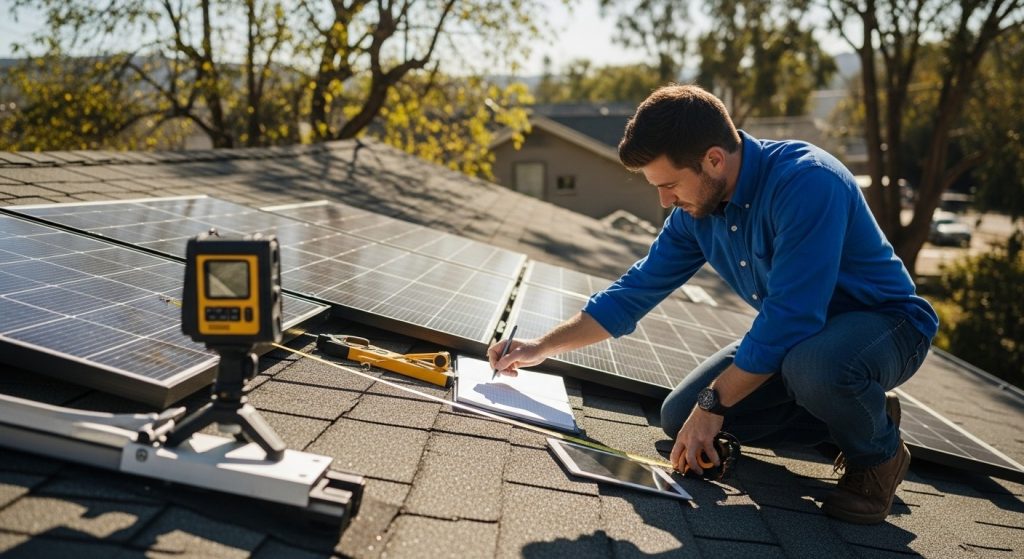
Decide on the type of solar system you will use. Consider factors like whether you prefer traditional inverters or microinverters. Microinverters can optimize the performance of individual panels, particularly if your roof has varying sunlight exposure.
Creating a comprehensive plan ensures that you use your roof space effectively while complying with local codes and regulations.
Roof Preparation and Reinforcements
Prior to installation, prepare your roof. Inspect it for structural integrity, ensuring that it can handle the weight of solar panels. You may need to reinforce the roof with lag bolts or additional supports for added stability.
Replace any damaged shingles or tiles. A solid roof structure prevents future leaks and issues caused by solar panel installation.
Be mindful of the roofing materials as well. Certain materials may need special mounting techniques to ensure proper attachment without causing damage.
Panel Placement and Orientation for Maximum Efficiency
When placing your solar panels, consider their orientation. Ideally, panels should face south to capture the most sunlight. Adjust the tilt angle based on your geographical location for optimal energy production.
Take care to space the panels adequately. This allows for air circulation, which helps prevent overheating and maximizes efficiency.
Using a combiner box is essential when installing multiple panels. It helps manage the wiring and connections, making troubleshooting easier later on.
Waterproofing and Weatherproofing Techniques
Waterproofing is vital to protect both your solar panels and the roof. Use high-quality sealants around mounting brackets and other penetrations to prevent leaks.
Consider installing a junction box with proper grounding to enhance safety. This protects the equipment and allows for safe energy distribution.
Additionally, apply weatherproofing materials to areas where the solar system connects to your home. This step helps safeguard against rain, wind, and extreme temperatures.
Electrical Connections and Safety Measures
When connecting your solar system, follow all safety protocols. Ensure that the AC disconnect and inverter are properly installed. These components allow for safe disconnection of the system during maintenance or in case of emergencies.
Wiring must be neatly organized and securely attached. Loose wires can be dangerous and lead to malfunction.
As part of your electrical setup, check to see if your installation requires a combiner box to manage multiple panel inputs. This can simplify the wiring process and improve efficiency.
Safety should always be your top priority throughout the installation process.
Maintenance and Longevity of Solar-Integrated Roofs
Maintaining your solar-integrated roof is essential for maximizing its lifespan and efficiency. Regular inspections and timely repairs can prevent costly issues. Here, you’ll find important details on how to keep your roof and solar panels in top shape.
Routine Inspection and Cleaning
Regular inspections are vital for identifying potential problems early. Aim for professional check-ups at least once a year. During these inspections, a contractor will examine the roofing materials and the solar panels for wear and tear.
Cleaning is equally important. Dust and debris can build up on solar panels, reducing their efficiency. It’s best to use a soft brush or cloth with water to gently clean the panels. Avoid harsh chemicals that can damage them.
Don’t forget to check gutters and downspouts as well. Blocked gutters can cause water damage to your solar-integrated roof, leading to higher repair costs down the line.
Addressing Repairs and Panel Replacement
If you notice any damage during inspections, address it immediately. Small issues can quickly escalate if left unattended. Cracked shingles or leaks can affect both the roof and the solar system.
In some cases, you may need to replace individual solar panels. Modern panels are designed to last 25 to 30 years, but weather conditions can impact their longevity. If your electricity output drops significantly, consider consulting a specialist.
If your solar system includes battery storage, ensure the batteries are also checked regularly. Proper maintenance of these batteries helps maintain efficient energy storage and can prevent unexpected failures.
Ensuring Roof and Panel Durability Over Time
To keep your solar-integrated roof lasting longer, focus on high-quality materials. Good roofing materials withstand harsh weather and enhance the effectiveness of solar panels.
Consider using reflective coatings that protect your roof from UV damage. This not only helps in extending the life of your roof but also improves your solar panels’ efficiency.
Additionally, ensure that your solar panels are securely fastened. Loose panels can lead to leaks and reduced energy output, particularly in high winds. Regular maintenance helps catch these issues early, ensuring that both your roof and solar system function effectively for years to come.
Advantages of Choosing Tom Byer Roofing Service for Solar Integration
Choosing Tom Byer Roofing Service for your solar integration means benefiting from specialized expertise, a commitment to quality, and strong local knowledge. Each of these factors plays a crucial role in ensuring that your roof and solar panels work effectively together.
Expertise in Custom Roof and Solar Panel Solutions
When you choose Tom Byer Roofing Service, you tap into a wealth of knowledge about integrating solar panels with different roofing styles. The team understands how to customize solutions that fit your home’s architecture and your energy needs.
Your roof isn’t just a structure; it’s a system. The experts evaluate your existing roof conditions, so the solar panels can be installed seamlessly. This means you get a comprehensive approach that maximizes both energy efficiency and aesthetics.
For instance, they ensure that the installation maintains proper drainage and avoids common pitfalls like leaks or damage. Their experience ensures you receive a tailored solution that meets all your expectations.
Commitment to Quality Craftsmanship and Customer Satisfaction
Tom Byer Roofing Service is dedicated to delivering high-quality craftsmanship. You can trust their team to use only top-grade materials for both roofing and solar panel structures.
Their work isn’t just about installation; it’s about ensuring longevity and performance. Each project undergoes strict quality checks to confirm that everything meets or exceeds industry standards.
Customer satisfaction is a priority. From the consultation to the completed project, you will receive consistent communication. This keeps you informed about progress and any adjustments needed. The goal is to create a seamless experience for you from start to finish.
Local Knowledge of Garden Grove Climate and Roofing Challenges
Being based in Garden Grove, Tom Byer Roofing Service understands the local climate and its unique challenges. Hot summers and occasional storms can affect your roof’s lifespan and the efficiency of your solar panels.
The team knows how to recommend materials and designs that withstand these local conditions. For instance, they might suggest specific coatings that reflect solar heat, reducing energy costs while enhancing your home’s comfort.
This localized approach helps ensure that your roof and solar system last longer and perform better. You gain peace of mind knowing the integration is reliable and tailored to your environment.