
Energy-efficient roofing solutions are a game changer for commercial buildings. By choosing the right roofing system, you can reduce energy costs and enhance the overall comfort of your property. Investing in energy-efficient roofing not only lowers utility bills but also contributes to a greener environment.
At Tom Byer Roofing Service, we specialize in providing tailored roofing solutions that meet the specific needs of commercial properties in Garden Grove, California. With decades of experience, our team is dedicated to helping you find the perfect roofing system that maximizes energy efficiency while ensuring durability and reliability.
Explore how energy-efficient roofing can transform your commercial building. From improved insulation to innovative materials, the right choices can lead to significant savings and increased property value. Your journey toward a more sustainable and cost-effective roofing solution starts here.
Why Energy-Efficient Roofing Matters For Commercial Properties
Energy-efficient roofing is essential for commercial properties, especially in a region like California where energy costs are continually rising. Implementing the right roofing solutions not only reduces energy consumption but also contributes positively to the environment. Below, you will find key factors that highlight its importance.
The Rising Cost Of Energy In California
California has some of the highest energy costs in the United States. Your commercial property will face rising bills if it relies on traditional roofing options.
By choosing energy-efficient roofing, you can significantly lower these costs. Energy-efficient roofs reflect sunlight and absorb less heat. This means your heating and cooling systems do not have to work as hard, which saves you money.
Using materials like cool roofs or reflective membranes can be beneficial. These materials enhance insulation and help maintain comfortable temperatures indoors. As energy prices continue to climb, investing in energy-efficient roofing is more important than ever.
How Roofing Impacts Your Building’s Carbon Footprint
The type of roofing you select plays a critical role in your building’s environmental impact. Energy-efficient roofing can dramatically lower your carbon emissions.
When your building consumes less energy, it contributes less to the demand for fossil fuels. This is significant in reducing your carbon footprint. Furthermore, many energy-efficient options are made from sustainable materials.
Implementing energy-efficient solutions also aligns with many green building certifications. Adopting these practices not only benefits your business financially but also supports environmental sustainability. Being proactive about energy efficiency reflects positively on your company’s values and can enhance your reputation in the community.
Top Energy-Efficient Roofing Materials For Commercial Buildings
When choosing roofing materials for commercial buildings, energy efficiency is a key factor. You want options that not only reduce energy costs but also improve the building’s overall sustainability. Here are three effective solutions.
Cool Roofs: Reflective Coatings & Membranes
Cool roofs are designed to reflect sunlight and absorb less heat. They feature reflective coatings or membranes that can be applied to existing roofs or used in new installations. This helps lower indoor temperatures and reduces air conditioning costs.
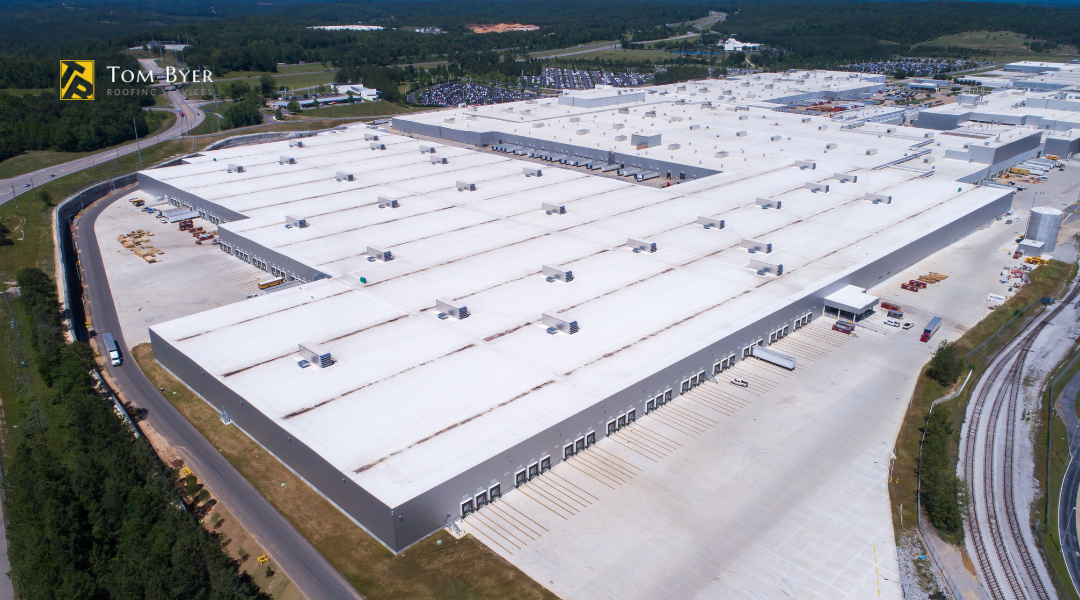
You can choose from various materials, including white or light-colored membranes that reflect solar energy effectively. Options for flat roofs include modified bitumen or single-ply membranes. These materials often have high Solar Reflectance Index (SRI) ratings, making them eligible for energy-efficient tax credits.
Green Roofs: Living Systems For Urban Spaces
Green roofs consist of vegetation planted on roofing systems, providing multiple benefits. They improve insulation, reduce heat absorption, and manage rainwater runoff. This solution is ideal for urban buildings seeking to enhance their eco-friendliness.
Installing a green roof requires a strong waterproofing layer, drainage system, and suitable soil mix. Regular maintenance allows for sustained plant health, contributing to better air quality and reduced energy consumption. Additionally, they create inviting spaces for occupants, enhancing overall building value.
Metal Roofing: Durability & Solar Reflectivity
Metal roofing is a highly durable option known for its long lifespan and energy efficiency. Materials like aluminum and steel reflect solar heat, making your building cooler.
Metal roofs can be installed on various roof types, including flat and sloped designs. They often come with factory-applied finishes that enhance reflectivity and add longevity. Furthermore, metal roofing is recyclable and less likely to require replacement, which benefits both your budget and the environment.
By considering these energy-efficient materials, you can make informed choices for your commercial roofing needs.
Innovative Roofing Technologies For Maximum Efficiency
Energy-efficient roofing solutions are essential for commercial buildings. They not only reduce utility costs but also enhance comfort and sustainability. Here are some important innovations that can help you achieve maximum efficiency.
Solar-Integrated Roofing Solutions
Solar-integrated roofing combines traditional roofing with solar technology. This option allows you to generate electricity while protecting your building. It reduces dependence on grid power, which can lead to significant savings in energy costs.
Typically, these roofs incorporate solar panels into the roofing material, creating a seamless design. Many modern systems are designed to be lightweight yet durable, ensuring longevity. Additionally, government incentives may lower installation costs, making this option even more appealing.
Insulation Advances For Thermal Regulation
Advanced insulation materials greatly improve thermal regulation in commercial buildings. These materials maintain a stable indoor temperature, reducing heating and cooling needs. Spray foam, for example, creates an airtight seal that enhances energy efficiency.
Reflective insulation options can also reduce heat gain from outside. This is particularly beneficial in warm climates, where cooling costs can be high. Proper insulation lowers energy bills while improving the overall comfort of your workspace.
Smart Roofing Sensors For Performance Monitoring
Smart roofing sensors are game-changers in maintaining your roofing system. These sensors monitor temperature, humidity, and moisture levels. By providing real-time data, you can address issues before they escalate into costly repairs.

Some systems send alerts to your phone or computer, ensuring you are always informed. This proactive approach can extend the lifespan of your roof and enhance its performance. Using data-driven insights, you can optimize maintenance schedules and save money in the long run.
Implementing these innovative technologies will lead to substantial energy savings and increase the comfort of your commercial property. Consider partnering with experienced professionals to make the best choice for your needs.
Key Benefits Of Upgrading To Energy-Efficient Roofing
Upgrading to energy-efficient roofing offers significant advantages for commercial buildings. You can experience cost savings on utility bills, potential tax credits, and increased property value. These benefits can lead to long-term financial gains for you and more appeal to your tenants.
Utility Bill Savings: Real-World Case Studies
One of the most immediate benefits of energy-efficient roofing is the reduction in utility costs. For example, a business in California switched to a reflective roofing material and reported a 20% decrease in summer cooling expenses.
Another case involved a retail chain that installed energy-efficient roofing across its locations. They achieved an average savings of $3,000 per site annually.
These savings accumulate, leading to significant annual reductions. Energy-efficient roofs help maintain stable indoor temperatures, so you may rely less on heating and cooling systems, enhancing your financial performance over time.
Tax Credits & Rebates Available In California
In California, businesses can take advantage of various tax credits and rebates for upgrading to energy-efficient roofing. The California Energy Commission offers incentives that can lower your initial investment.
For instance, commercial property owners may qualify for rebates up to $0.70 per square foot for qualifying roofing materials.
Additionally, federal tax credits can provide further financial relief. By leveraging these programs, you can recoup some of your costs on energy-efficient upgrades, making the transition even more attractive.
Increased Property Value & Tenant Appeal
Energy-efficient roofing not only benefits your budget but also increases your property value. Buildings with energy-efficient features often appraise higher than those without. This can lead to increased resale value when it’s time to sell your property.
Moreover, energy-efficient roofs appeal to tenants seeking environmentally friendly spaces. A survey found that 70% of tenants prefer buildings with energy-efficient features.
Lower utility bills combined with a commitment to sustainability make your property more attractive. This means you could secure longer leases and lower vacancy rates, enhancing your overall investment in the building.
Planning Your Energy-Efficient Roof Installation
Installing an energy-efficient roof requires thoughtful planning. It’s essential to assess your current roof’s efficiency, choose the right system, and understand how a strong contractor can benefit your project.
How To Assess Your Current Roof’s Efficiency
To evaluate your existing roof, start by checking for visible damage. Look for cracks, leaks, or missing shingles. These issues can reduce insulation effectiveness and increase energy costs.
Next, consider the age of your roof. Older roofs often lack modern energy-efficient features. You can also conduct a thermal imaging test to identify areas where heat may escape.
Another critical factor is the type of materials used. For instance, reflective roofing materials can lower cooling costs. Comparing your roof’s performance against energy standards helps clarify whether upgrades are necessary.
Choosing The Right System For Your Building Type
Selecting the best roofing system is vital for efficiency. Different buildings benefit from various materials and designs. For flat roofs, consider TPO or EPDM, which offer excellent durability and energy efficiency.
For sloped roofs, metal roofing systems can enhance both aesthetics and performance. They reflect sunlight and reduce heat absorption, which is beneficial in warmer climates.
Additionally, consult with a roofing contractor to assess your building’s specific needs. They can help you understand local climate impacts and recommend the most suitable energy-efficient options for your project.
Why Tom Byer Roofing Service Excels In Commercial Upgrades
Tom Byer Roofing Service stands out for its extensive experience in energy-efficient roofing solutions. For over 40 years, they have provided reliable roofing services in Garden Grove, California.
Their team understands the unique requirements of commercial buildings. They specialize in various materials and installation techniques that maximize energy efficiency and durability.
You can trust their expertise for a seamless upgrade. With a commitment to quality and customer satisfaction, they ensure that your energy-efficient roof installation meets and exceeds industry standards.
Maintenance Tips For Long-Term Efficiency
To keep your commercial roof in great condition, regular care is essential. Paying attention to seasonal checks, cleaning routines, and knowing when to replace or retrofit can save you from costly repairs in the future.
Seasonal Inspection Checklists
Creating a seasonal inspection checklist is vital for identifying issues early. Focus on several key areas:
- Visible Damage: Look for cracks, blisters, or missing materials.
- Drains and Gutters: Ensure they are clear to prevent blockages.
- Flashings: Check around vents and seams for signs of wear.
- Roof Leaks: Regularly inspect for signs of moisture or leaks inside your building.
Conduct these inspections at least twice a year and after extreme weather events. Keeping a log of each inspection can help you track recurring issues. If you find any problems, consider contacting a professional for roof repairs.
Cleaning & Coating Maintenance
Regular cleaning is essential for maintaining your roof’s efficiency. Dirt and debris can accumulate quickly. Schedule cleaning sessions every season. Focus on:
- Removing Debris: Clear branches, leaves, and any other materials off the roof.
- Washing: Utilize a garden hose or pressure washer to remove dirt and algae.
- Coating: Apply a reflective coating every few years to enhance energy efficiency and reduce heat absorption.
A well-maintained roof not only lasts longer but can also lower your energy bills by improving insulation.
When To Consider Roof Replacement Vs. Retrofit
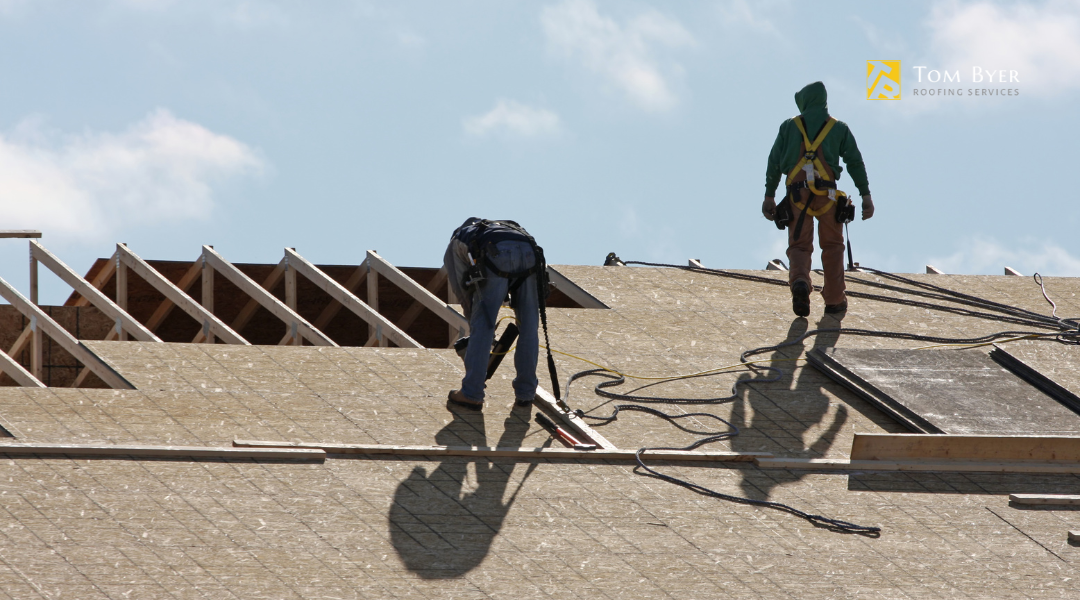
Knowing when to replace your roof or consider a retrofit can save you money. If your roof shows these signs, think about replacement:
- Frequent Repairs: If you are investing in multiple roof leak repairs, it may be time for a new roof.
- Age of the Roof: Most roofs last 20-30 years. If yours is nearing the end of its lifespan, replacement is often more cost-effective.
If your roof is structurally sound but just outdated, a retrofit might be a smarter choice. This can include adding insulation or installing a new energy-efficient layer.
California-Specific Considerations
Understanding the unique requirements for roofing in California helps you make informed decisions for your commercial building. Factors like energy codes, environmental concerns, and safety ratings are crucial in this region.
Meeting Title 24 Energy Code Requirements
California’s Title 24 Energy Code aims to reduce energy consumption in buildings. For commercial roofs, this means using materials that reflect sunlight and insulate effectively to lower cooling costs.
You need to choose roofing options that comply with these regulations. Energy-efficient materials can include reflective single-ply membranes, cool roofs, and various coatings.
Key factors to consider:
- Reflectivity: Look for materials with a high solar reflectance index (SRI).
- Insulation: Adequate insulation minimizes heat transfer, which is essential in a warm climate like Orange County.
Heat Island Mitigation in Garden Grove
Urban heat islands occur when built environments absorb and retain heat. In Garden Grove and nearby Huntington Beach, this can lead to increased cooling costs and lower air quality.
To combat this, consider using green roofs or materials with light colors that reflect sunlight. Trees and landscaped areas also help cool surrounding spaces and improve overall comfort.
Strategies for mitigation:
- Install cool roofing materials.
- Incorporate landscaping with shade-providing trees.
- Use permeable paving to allow water absorption and reduce heat.
Fire Safety Ratings for Commercial Roofs
Fire safety is critical in California due to its wildfire risks. Selecting roofing materials with high fire safety ratings protects your building and complies with local laws.
Most roofing options are rated according to ASTM E108 standards, ranging from Class A (most resistant) to Class C (least resistant).
Some recommended materials include:
- Built-Up Roofing (BUR): Offers fire resistance and durability.
- Modified Bitumen: Can provide high fire ratings if properly installed.
Ensuring you meet these fire safety measures not only protects your asset but can also reduce insurance premiums.
Why Choose Tom Byer Roofing Service?
When selecting a roofing contractor for commercial projects, local expertise and quality materials make a significant difference. Tom Byer Roofing Service provides both, ensuring your commercial roofing needs are met efficiently and effectively.
Local Expertise In Garden Grove Commercial Projects
Choosing a local contractor means you benefit from their understanding of the Garden Grove area. Tom Byer Roofing Service has been serving the community since 1952, offering over 70 years of experience in handling commercial roofing projects.
Their knowledge of local building codes and weather conditions helps ensure your roof stands the test of time. Local projects are approached with a keen sense of community and responsive service, which you might not find with larger, national companies.
This familiarity leads to faster responses and effective solutions tailored to your specific needs. You can trust that your project is in capable hands with Tom Byer Roofing Service.
Quality Materials & Warranties Offered
Quality materials are crucial for an energy-efficient roof. Tom Byer Roofing Service uses only the best products available, ensuring durability and performance.
They offer a range of materials, including energy-efficient options like cool roofs and high-performance insulation. Each type of roofing material is selected based on its reliability and efficiency, providing you long-term value.
In addition to top-notch materials, the company backs its work with solid warranties. These warranties offer peace of mind and protection against potential future issues. With Tom Byer Roofing Service, you receive both quality and confidence.
Customer Success Stories
Customer satisfaction is at the forefront of Tom Byer Roofing Service’s mission. Many clients, including Brian Wolsky, have shared positive experiences regarding their roofing projects.
Quick responses and detailed quotes are common praises in online reviews. Clients appreciate the transparency and professionalism shown throughout the roofing process.
The company consistently earns high ratings, thanks to their commitment to quality and service. When you choose Tom Byer Roofing Service, you join a long list of satisfied customers who have benefited from their expertise.