
Understanding the various types of commercial roofing systems is essential for any business owner. Choosing the right roofing system can protect your investment and ensure the safety of your property. With so many options available, it can be overwhelming to decide what is best for your needs.
At Tom Byer Roofing Service, we specialize in providing tailored roofing solutions for commercial properties in Garden Grove, California. Our experience in the industry enables us to guide you through the process of selecting materials and designs that will withstand California’s diverse weather. From flat roofs to energy-efficient systems, our goal is to help you make informed decisions that will serve your property well for years to come.
As you read on, you will discover valuable insights into commercial roofing systems, maintenance tips, and the services we offer to enhance your property’s longevity. By understanding these key aspects, you will be better equipped to protect your business investment and maintain a safe environment for your employees and customers.
What Is A Commercial Roofing System?
A commercial roofing system is designed for different types of businesses and buildings. These roofs face unique challenges and requirements based on their purpose, size, and the materials used. Understanding these systems is key to maintaining the integrity of your property.
Key Differences Between Residential And Commercial Roofs
One significant difference is size. Commercial roofs are typically larger and flat or low-slope, while residential roofs are steeper and smaller.
Materials used vary as well. Commercial roofs often use durable materials like TPO, PVC, or EPDM rubber. These materials are chosen for their longevity and resistance to the elements.
Load-bearing capacity is another difference. Commercial roofs must support heavier equipment and materials, while residential roofs don’t have the same requirements.
In summary, knowing these differences helps you choose the right system for your building’s needs.
Components Of A Commercial Roof
A commercial roofing system consists of several vital components that work together to keep the structure safe.
- Roof Deck: This is the base layer, usually made from materials like plywood or metal. It provides structural support.
- Insulation: Insulation is vital for energy efficiency. It helps regulate indoor temperatures and reduces heating or cooling costs.
- Waterproofing Layer: This can include a membrane or coating that prevents water from entering the building. TPO and EPDM are popular choices for this layer.
- Drainage System: Proper drainage is essential. Gutters and downspouts prevent water buildup, which can lead to leaks and damage.
Focusing on these components ensures your roof remains functional and long-lasting.
Flat Vs. Low-Slope Roof Structures
Flat roofs are essentially horizontal surfaces, while low-slope roofs have a slight incline. Each type has its benefits and considerations.
Flat roofs are easier to access for maintenance and offer space for HVAC units. They can sometimes gather water, so a good drainage system is important.
Low-slope roofs have a pitch, which helps with drainage but can complicate maintenance. They can still be used for equipment and provide some aesthetic appeal.
Choosing between these roof structures hinges on your building’s design and functional needs. Think about your specific requirements when making a decision.
Common Types Of Commercial Roofing Systems
Choosing the right roofing system is crucial for protecting your business. Here are some of the most common types of commercial roofing systems you might consider.
TPO (Thermoplastic Polyolefin) Roofing
TPO roofing is a popular choice for commercial buildings. It is made from a single-ply membrane that is energy-efficient and durable.
This type of roofing reflects sunlight, which helps lower cooling costs during hot months.
Installation is straightforward and requires fewer seams, reducing chances of leaks.
TPO is also resistant to UV rays and chemicals, making it ideal for a variety of climates.
EPDM (Rubber) Roofing
EPDM stands for Ethylene Propylene Diene Monomer. This roofing material is a synthetic rubber that offers excellent durability.
It has a long lifespan, often exceeding 20 years with proper maintenance.
EPDM is particularly resistant to extreme weather conditions, including hail and high winds.
This roofing type is available in black or white, allowing for better heat management.
You can often find tar and adhesives used in its installation, ensuring a secure bond.
Built-Up Roofing (BUR)
Built-up roofing systems consist of layers of asphalt and felt. This type of roofing has been around for over a century.
It provides strong protection from weather elements, thanks to its layered structure. You can also add a gravel top for additional UV protection.
BU roofing is robust and can last a long time with minimal maintenance.
This material works well in various climates, making it versatile for your needs.
Metal Roofing Systems
Metal roofs are known for their durability and longevity. They can last 50 years or more with the right care.
Available in materials like aluminum, steel, or copper, metal roofing is both strong and lightweight.
This roofing type is resistant to fire, pests, and rot, making it a low-maintenance choice.
Metal roofing systems also reflect thermal energy, which can reduce energy costs.
Additionally, they are often made from recycled materials, providing an environmentally friendly option.
Modified Bitumen Roofing
Modified bitumen roofing is an asphalt-based system. It is designed to offer improved durability and flexibility compared to traditional roofings.
This system typically features a reinforced layer with a mineral surface.
It is easy to install and works well for both flat and low-slope roofs.
You can opt for cold or hot installation methods, offering versatility in how you cover your roof.
These roofs can withstand stress from temperature fluctuations and are resistant to tears and punctures.
With proper maintenance, modified bitumen roofs can provide lasting protection for your business.
Choosing The Right Roof For Your Business
Selecting the right roof for your business is crucial. It affects your building’s efficiency, costs, and overall lifespan. Consider significant factors that directly impact your roofing choice, such as maintenance needs and working with skilled roofing professionals in your area.
Factors To Consider
When choosing a roof, think about your location and building structure. In California, factors like weather, insulation, and energy efficiency play a vital role.
Flat roofs, common in commercial settings, can suit low-slope designs but require special materials for waterproofing. Other options include metal and shingle roofs, each with benefits.
Consider the expected foot traffic on your roof and the local climate. If heavy rains are common, use materials that withstand water. If energy savings are a priority, explore reflective options that enhance cooling.
Roof Lifespan And Maintenance Requirements
The lifespan of your roof significantly affects long-term costs. Many roofing materials come with warranties ranging from 10 to 50 years. Understanding these durations helps in planning future replacements.
Maintenance is another critical aspect. Some materials require more upkeep than others. For example, built-up roofing (BUR) systems can demand thorough inspections but offer excellent durability.
You should allocate time for regular maintenance checks to catch potential issues early. Ask your contractor about their maintenance services and warranties to ensure your investment is safeguarded.
How To Work With A Professional Roofer In Garden Grove
Collaborating with a skilled roofing contractor ensures a successful project. Start by obtaining multiple estimates from local contractors, including Tom Byer Roofing Service, which can provide insights on the best options for your needs.
Communicate your expectations clearly, and don’t hesitate to ask about their experience and past projects. Understanding their warranties and guarantees protects you and enhances trust.
Schedule a consultation to discuss materials and styles that match your vision and budget. A professional will guide you through the process, ensuring compliance with local regulations and climate considerations, making your roofing choice smooth and informed.
Signs Your Commercial Roof Needs Repair Or Replacement
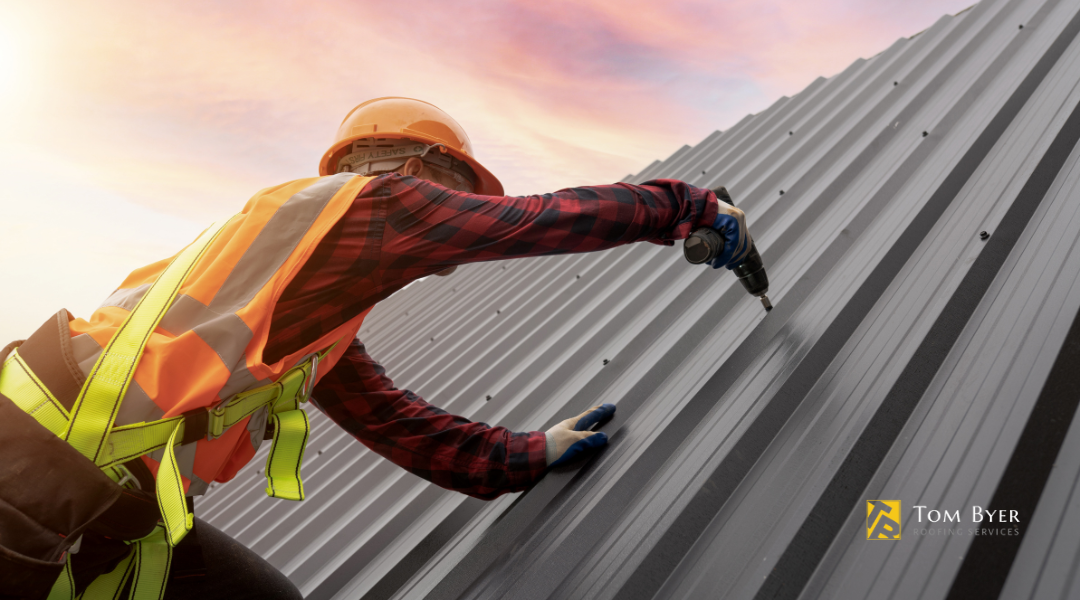
Regular roof inspections can help you catch issues early. Being aware of the signs that your commercial roof needs repair or replacement can save you money and prevent bigger problems in the future. Here are key indicators to watch for.
Leaks, Pooling Water, And Mold Growth
Leaks are one of the most common signs of roof damage. If you notice water stains on your ceiling or walls, it may indicate a leak. This can lead to further damage and mold growth, which can pose health risks.
Pooling water on your roof is another critical issue. It may signify poor drainage or structural problems. Water that does not drain can cause significant damage over time.
Mold growth not only affects the roof but also can lead to health issues for your employees. Mold thrives in damp conditions, so addressing leaks and water pooling is essential to maintain a safe environment.
Increased Energy Bills And Insulation Failure
If your energy bills have suddenly risen, it could be linked to your roof’s condition. Poor insulation or damaged roofing materials can lead to higher heating and cooling costs.
Air leaks can occur due to gaps in the roofing or insulation failure. When your roof cannot properly insulate your building, your HVAC system works harder, which directly increases your energy expenses.
Conduct regular checks to ensure that insulation is intact. Consider a roofing repair if you find issues here. Addressing insulation and roofing issues can improve energy efficiency and save you money.
Visible Deterioration Or Storm Damage
Visible signs of deterioration are clear indicators that your roof needs attention. Look for cracks, blisters, or missing shingles. These issues can lead to leaks and other costly damages.
Storm damage is another significant concern. After severe weather, inspect your roof for any visible damage. Strong winds, hail, or heavy rain can compromise your roof’s integrity.
If you observe significant wear and tear, it’s wise to consult a roofing contractor. Early intervention can prevent further damage and costly repairs in the future.
Maintenance Tips To Maximize Roof Longevity
Taking care of your commercial roof is essential for its longevity. By following these maintenance tips, you can avoid costly repairs down the line and ensure your roof performs well for years to come.
Annual Inspections And Regular Cleaning
Schedule annual inspections to assess your roof’s condition. A professional can spot issues like leaks or wear early, preventing major problems later. Inspections should include checking seams, flashing, and membranes for damage.
You should also clean the roof regularly. Remove debris such as leaves, branches, and dirt that can trap moisture. Moisture can lead to mold and deterioration.
Using a soft-bristle broom or blower is ideal for cleaning without causing damage. Always check for signs of wear after heavy storms or extreme weather. Keeping your roof free of debris enhances its lifespan.
Gutter And Drainage Maintenance
Proper gutter and drainage maintenance is crucial. Clogged gutters can cause water to pool on your roof, leading to leaks and structural damage. Clean your gutters at least twice a year, especially before the rainy season.
Ensure downspouts direct water away from the building’s foundation. This prevents water from accumulating near the roof edges. You may also want to install gutter screens to reduce debris collection.
Checking the drainage system regularly helps you identify blockages. Regular maintenance can keep water flowing smoothly and protect your roof.
Keeping HVAC And Rooftop Units Sealed Properly
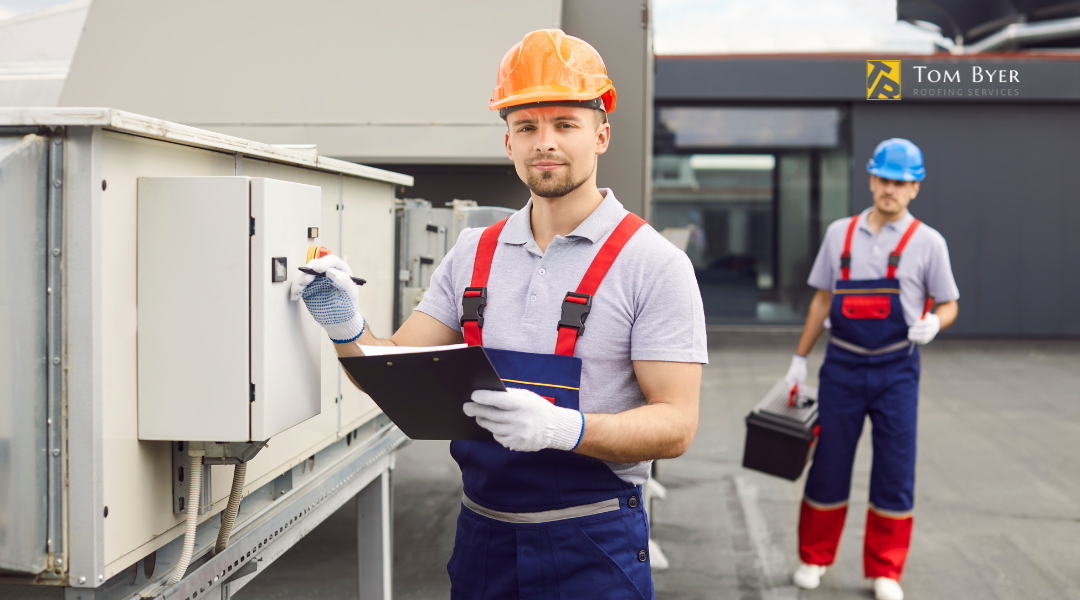
Your rooftop HVAC units play a significant role in your roof’s health. Inspect the seals around these units. Cracks or gaps can let water in, leading to leaks.
Make sure that all connections are secure and properly sealed. A well-maintained HVAC system prevents excessive wear on your roof.
Consider scheduling regular maintenance for these units as well. This not only ensures they function efficiently but also protects your roof from moisture damage. Keeping everything sealed can extend your roof’s lifespan significantly.
Key Commercial Roofing Stats & Cost Insights
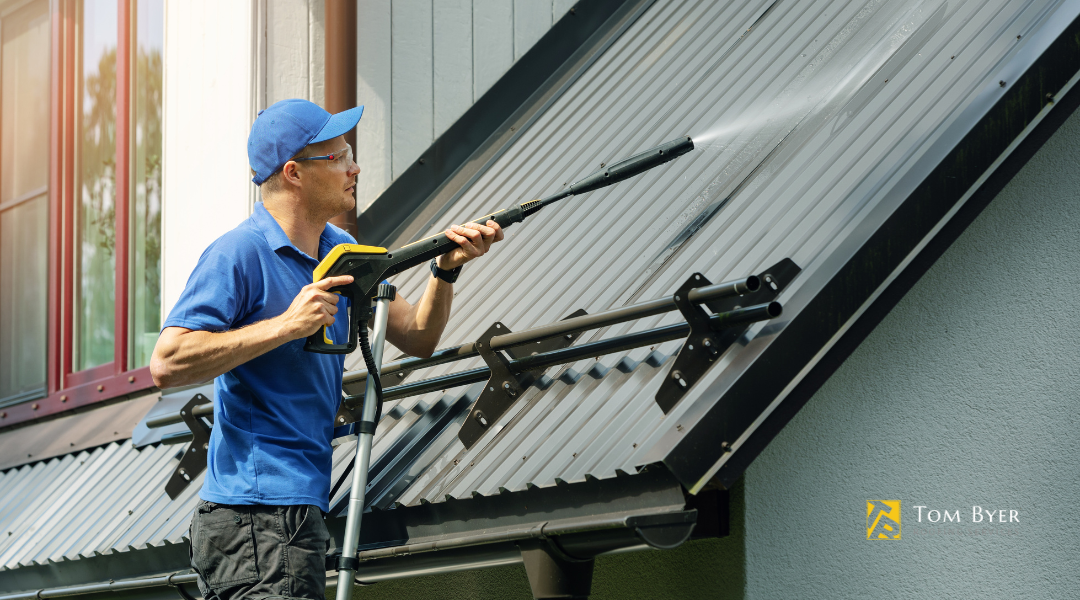
When considering a commercial roofing system, understanding costs and key statistics is crucial for your budget and decision-making.
Average Roofing Costs:
- TPO Roofing: $5 – $7 per square foot
- EPDM Roofing: $4 – $8 per square foot
- Built-Up Roofing: $6 – $12 per square foot
These costs may vary based on your location and the complexity of the installation.
Longevity of Roofing Systems:
- TPO: 15-20 years
- EPDM: 20-30 years
- Built-Up: 20-30 years
You can expect different lifespans for various materials, affecting your long-term investment.
Common Reasons for Roof Replacement:
- Age: Most roofs need replacing after 20 years.
- Damage: Significant wear or storm damage can prompt early replacement.
- Leaks: Persistent leaks may indicate a failing system.
Maintenance Impact:
Regular inspections can extend the life of your roof by 5 to 10 years. Keeping up with maintenance can save you money in the long run.
Understanding these stats helps you make informed choices. You can always consult with a professional like Tom Byer Roofing Service for tailored advice specific to your needs.
Real-World Example: Roofing Upgrade For A Garden Grove Business
Upgrading your roofing system can significantly improve efficiency and protect your investment. Here’s a specific example involving a business in Garden Grove that faced challenges with its old roofing system.
The Problem: Old BUR System Failing
The business had a Built-Up Roofing (BUR) system that was over 20 years old. This type of roofing was showing clear signs of wear and tear, including cracks, leaks, and poor insulation.
Water damage became a real concern, threatening the integrity of the building and the safety of its occupants. The cost of constant repairs was adding up. Additionally, the aging system resulted in higher energy bills as the insulation was no longer effective.
The Solution: TPO Installation By Tom Byer Roofing Service
In response to these issues, the business contacted Tom Byer Roofing Service. The team recommended replacing the BUR system with a more efficient Thermoplastic Olefin (TPO) roofing system.
TPO is known for its durability, energy efficiency, and ease of installation. The process began with a complete removal of the old roof, followed by the installation of the new TPO system. This reflective roofing material helps reduce energy costs by keeping the building cooler.
The installation was completed in a timely manner, minimizing disruption to the business’s operations.
The Outcome: Lower Energy Bills And Better Weatherproofing
After the TPO system was installed, the business experienced significant benefits. First, energy bills decreased due to improved thermal performance. The reflective surface of TPO helped lower cooling costs, leading to savings over time.
Additionally, the new roof provided superior weatherproofing. The business faced fewer issues with leaks, ensuring a safer and more comfortable environment for employees and customers. Overall, the investment in the new roofing system offered long-term financial and operational benefits for the business in Garden Grove.
Expert Advice From Tom Byer Roofing Service
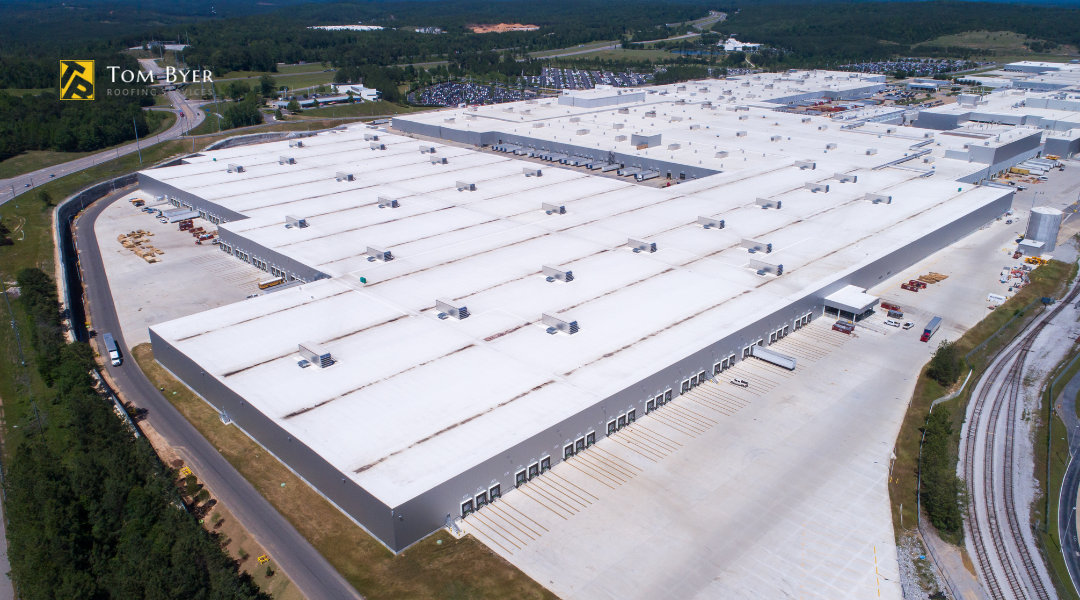
When it comes to choosing a roofing system for your commercial property, understanding durability is key. You also need to prepare your roof for seasonal changes and avoid common mistakes when hiring a contractor. Here are some insights from Tom Byer Roofing Service that can guide you.
Most Durable Roofs For Commercial Properties
Investing in durable roofing materials can save you money in the long run. Options like TPO (Thermoplastic Olefin) and PVC (Polyvinyl Chloride) membranes are popular due to their resistance to UV rays and harsh weather.
Benefits of TPO and PVC:
- Energy Efficiency: Reflects sunlight, reducing cooling costs.
- Longevity: Lasts over 20 years with proper maintenance.
- Resilience: Handles foot traffic well, ideal for flat roofs.
Metal roofs are another durable choice. They are fire-resistant and can withstand heavy winds. Opt for a roofing solution that fits your specific needs to ensure longevity.
Seasonal Roof Prep Tips For Southern California Business Owners
In Southern California, preparation for seasonal changes is essential. Summer heat can cause damage if roofs are not properly maintained. Here are some tips:
- Inspect Regularly: Check for leaks, cracks, or loose seams before the rainy season.
- Clean Gutters and Drains: Remove debris to prevent water pooling on the roof.
- Choose the Right Coating: A reflective coating can help manage heat during summer.
- Schedule Routine Maintenance: Set up regular check-ups with a professional to catch issues early.
These actions will help protect your roof from potential damage and extend its life.
Common Mistakes To Avoid When Hiring A Commercial Roofer
Selecting the right roofing contractor is critical for your commercial project’s success. Avoid these common mistakes:
- Not Checking Credentials: Always verify licenses and insurance.
- Ignoring References: Ask for and check reviews and past work to gauge quality.
- Overlooking Written Estimates: Make sure you receive detailed, written quotes to avoid additional costs later.
Key Factors to Consider:
- Experience in Commercial Roofing: Confirm their expertise matches your project’s requirements.
- Availability for Follow-Up Maintenance: A good contractor will offer ongoing support.
By avoiding these pitfalls, you can ensure your commercial roofing project goes smoothly and lasts for years to come.