
Designing a custom roof can seem overwhelming, but it doesn’t have to be. Understanding what you need and what options are available will empower you to make informed choices. Working with a reliable roofing contractor like Tom Byer Roofing Service in Garden Grove, California, puts you on the right path toward creating a roof that meets your aesthetic and functional needs.
In this blog post, you’ll discover essential aspects to consider when designing your roof. From selecting the right materials to understanding local regulations, each detail plays a significant role in the outcome of your project. Tom Byer Roofing Service brings decades of experience and expertise to help you navigate these decisions smoothly, ensuring your roof not only looks great but withstands the test of time and weather.
Whether you’re building a new home or replacing an old roof, this guide will provide valuable insights to assist you in achieving the perfect design. By prioritizing quality and strategic planning, you can enjoy a roof that enhances your property and provides lasting protection.
Why Choose a Custom Roof Design?
Selecting a custom roof design can provide unique advantages tailored to your specific needs. This choice not only enhances the aesthetic appeal of your home but also contributes to its overall functionality and value.
Benefits Beyond Standard Roofing Solutions
Custom roofs offer several key benefits that standard roofing solutions cannot match. First, you can choose materials that suit your local climate, ensuring durability and longevity. For example, if you reside in an area prone to heavy rain, opting for materials with superior water resistance is advantageous.
Additionally, custom designs allow you to incorporate features such as skylights or ventilation systems that enhance energy efficiency. This means you can reduce your energy costs, as proper ventilation regulates indoor temperatures better.
Finally, a custom roof can reflect your personal style. You can select colors, shapes, and materials that complement your home’s architecture. This level of personalization not only makes your home stand out but also provides a sense of pride.
How Custom Roofs Enhance Property Value
Investing in a custom roof can significantly increase the value of your property. A well-designed roof is often one of the first things potential buyers notice. A unique and well-crafted roof can boost curb appeal, making your home more attractive to prospective buyers.
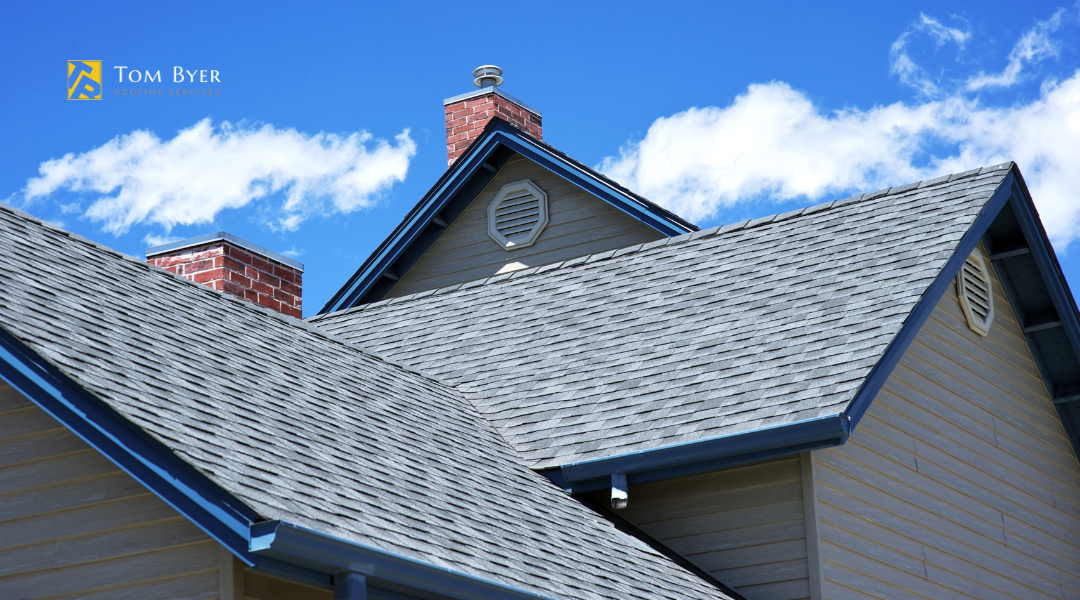
Moreover, custom roofs are tailored to last longer and perform better than standard options. This quality can make your home more desirable in the real estate market. Buyers appreciate homes with features that address maintenance concerns and prolonged longevity.
Additionally, modern features like energy-efficient materials help reduce utility bills. When buyers see lower costs in upkeep and energy, they’re often willing to pay a premium for homes that offer these benefits. With a custom roof, you are making a smart investment in your property’s future.
Key Considerations Before Designing Your Roof
When planning your custom roof, you need to think about various important factors. Architectural style, local climate, and budgeting are crucial to ensure the roof meets both your aesthetic and functional needs.
Architectural Style & Neighborhood Aesthetics
Consider the architectural style of your home and how your roof can complement it. If your house is modern, sleek lines and minimalistic features may work best. For traditional homes, classic gabled roofs can enhance charm.
Look at your neighborhood too. Ensure your roof design fits in with local aesthetics. This can help maintain property values. Check with your homeowners’ association if applicable, as there may be guidelines to follow.
Climate Factors in Garden Grove
Garden Grove’s climate affects your roofing choices. The area experiences a Mediterranean climate, which includes hot, dry summers and mild, wet winters. Given this, select materials that withstand heat and moisture.
For example, reflective roofing materials can help keep your home cooler during summer. Use durable materials like asphalt shingles or tile that can resist rain. Always consider the lifespan and maintenance needs based on these climate conditions.
Budgeting for Custom vs. Pre-Designed Options
Budgeting is essential when planning your roof. Custom roofs often come with higher costs, but they offer unique designs that fit your needs. Make a list of features that matter most to you, such as specific materials or styles.
Pre-designed options are more budget-friendly and can still look great. They often come with standard features that fit most homes, which can save time and money. Compare the costs of both options to see what fits best within your overall budget.
Popular Custom Roofing Styles & Materials
When designing a custom roof, you have various styles and materials to choose from. Each option has unique advantages that can enhance both the appearance and functionality of your home.
Modern Flat Roof Designs with Innovative Materials
Modern flat roofs offer a sleek and contemporary look. These roofs often use materials like modified bitumen or single-ply membranes, which provide excellent durability and waterproofing.
Benefits of Modern Flat Roofs:
- Space Utilization: You can use the flat area for outdoor living or solar panels.
- Cost-Effective: Generally, they require less material and labor than traditional roofs.
You can also consider green roofing systems. These incorporate vegetation and insulation, improving energy efficiency and stormwater management.
Classic Pitched Roof Variations
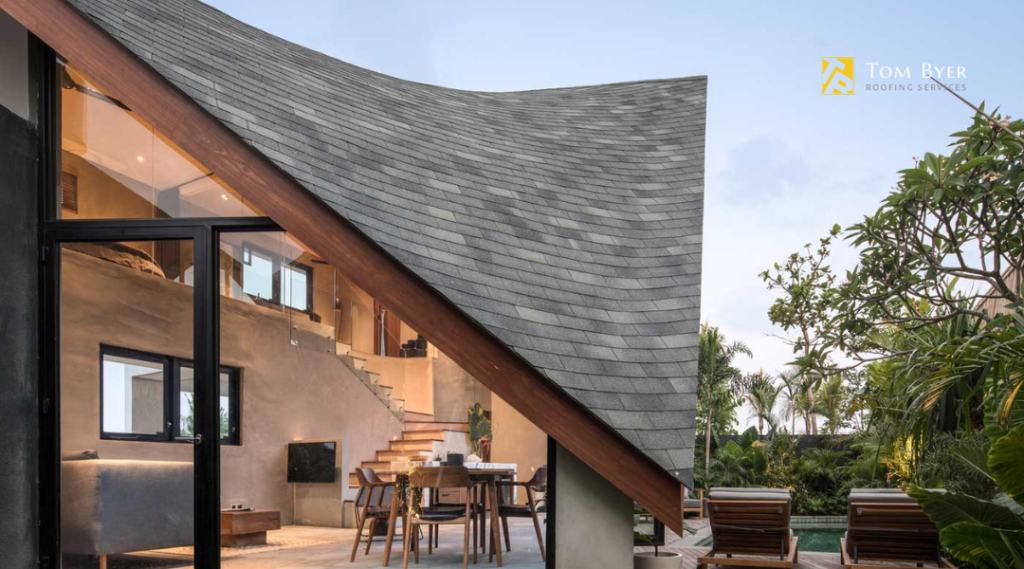
Pitched roofs remain popular for their traditional appeal and practicality. Styles include gable, hip, and shed roofs.
Key Features to Consider:
- Gable Roofs: Offer good drainage and ventilation, making them ideal for areas with heavy rainfall.
- Hip Roofs: Stability is a strong point, as all sides slope down to the walls. This design can withstand strong winds.
Materials like asphalt shingles and clay tiles are commonly used for pitched roofs. These materials can enhance your home’s curb appeal while providing lasting protection.
Eco-Friendly & Energy-Efficient Options
More homeowners are choosing eco-friendly roofing materials that save energy and help the environment.
Materials to Explore:
- Metal Roofing: Long-lasting and recyclable, metal roofs reflect heat and can reduce cooling costs.
- Cool Roofs: These have reflective surfaces that lower roof temperatures, which can decrease energy usage.
Incorporating energy-efficient designs can qualify you for tax incentives while contributing to a sustainable lifestyle. Using the right materials can make a significant difference in your energy bills and environmental impact.
The Custom Roof Design Process Step-By-Step
Designing a custom roof involves several important stages. Each step ensures that your roof will meet your needs while adhering to safety and aesthetic standards. Below are the key phases in the design process.
Initial Consultation & Vision Development
Your journey begins with an initial consultation. During this meeting, you share your ideas, preferences, and any specific requirements you may have. It’s a chance to discuss the style and function you envision for your roof.
The roofing contractor will ask questions about your budget, desired materials, and the overall look you aim to achieve. This part of the process is crucial as it helps in aligning your vision with practical solutions.
Once your ideas are gathered, the contractor may suggest options based on current trends and building codes. This collaborative effort sets the foundation for the next steps in the design process.
Engineering & Structural Considerations
With a clear vision established, the next phase involves engineering and structural considerations. This step is essential to ensure that your custom roof is both safe and durable.
Your contractor will assess the structural integrity of your home. This might include examining existing beams, load-bearing walls, and the overall architecture. Proper calculations will be made to determine the appropriate materials, pitch, and design.
Attention to these details is vital to avoid future issues. A well-engineered roof can withstand weather extremes and ensure longevity.
3D Rendering & Visualization Tools
To help you better understand your design, 3D rendering and visualization tools come into play. In this stage, advanced software creates realistic models of your custom roof.
These visualizations allow you to see how different materials and designs will look on your home. You can explore various colors, styles, and angles before making final decisions.
This step not only enhances communication but also ensures that your vision matches reality. You can request adjustments based on what you see, leading to a final design you are excited about.
Working with Your Roofing Contractor
When designing a custom roof, effective communication with your roofing contractor is essential. Knowing how they operate and what questions to ask can enhance your project experience and ensure success.
How Tom Byer Roofing Service Approaches Custom Projects
Tom Byer Roofing Service focuses on collaboration and customer satisfaction. They start by understanding your vision and needs. They value your input and provide expert advice based on more than 40 years of experience.
During the initial consultation, Tom Byer’s team will assess your property and discuss design options. They use quality materials and modern techniques to bring your ideas to life. Their process includes careful planning to ensure your project meets local building codes and regulations.
After deciding on a design, you will receive a detailed estimate outlining costs and timelines. This transparency helps you stay informed every step of the way.
Questions to Ask Your Designer
Asking the right questions is crucial for your project’s success. Start by inquiring about their experience with custom roofs. Understanding their background will give you confidence in their ability to execute your vision.
Next, ask about material options. Different materials can affect the look, durability, and cost of your roof.
You should also discuss warranties and maintenance plans. Knowing what to expect in terms of care can save you time and money in the long run.
Additionally, clarify the timeline for your project. A well-defined schedule helps manage your expectations and allows for better planning on your part.
Timeline Expectations for Custom Work
Understanding the timeline is vital when working on a custom roof project. The complexity of the design will influence how long the project takes.
Typically, the initial consultation takes one to two weeks, depending on your availability. After finalizing the design, expect the roofing process to take anywhere from a few days to several weeks.
Weather conditions can also impact the timeline, as roofing requires dry conditions.
Always maintain open communication with your contractor. Regular updates can keep you informed about progress and any potential delays, allowing you to plan accordingly.
Permits & Regulations in Garden Grove
When designing a custom roof in Garden Grove, it’s essential to navigate local building codes, HOA restrictions, and the permit process. Understanding these elements will help ensure your project runs smoothly and complies with all regulations.
Local Building Codes You Need to Know
In Garden Grove, local building codes dictate how you can structure your roof. These codes cover numerous aspects, such as roofing materials, design, and structural integrity.
You’ll need to secure the proper permits before starting work. Common permits include those for new roof installations, re-roofing, and repairs. Obtaining the correct license ensures that your contractor meets all safety and quality standards.
Be prepared to submit plans reflecting your design, materials, and structural details. Local officials will review your plans to ensure compliance with safety regulations. Familiarizing yourself with these codes helps avoid costly delays or fines later.
HOA Requirements & Restrictions
If your home is part of a Homeowners Association (HOA), you’ll need to consider their requirements. HOAs often have specific guidelines about the style and materials you can use for your roof.
These guidelines may pertain to the color, type of shingles, and even overall architectural style. It’s essential to communicate with your HOA early in your planning process.
Submitting your roof design for approval can be a prerequisite for beginning your project. Ignoring these HOA rules could result in penalties or required changes after installation, leading to extra costs and delays.
How We Handle the Permit Process
At Tom Byer Roofing Service, we make the permit process simple and efficient for you. Our experienced team understands local regulations and will guide you through each step.
We handle the necessary paperwork, including securing licenses and permits, to ensure compliance. This includes obtaining permits for any structural changes or roofing materials you choose.
Your project starts with a detailed assessment. We’ll help you prepare and submit your plans, ensuring they meet both city regulations and HOA requirements. By managing this process, we save you time and stress, allowing you to focus on your custom roof design.
Maintaining Your Custom Roof
Proper maintenance is crucial for the longevity and performance of your custom roof. You need to be aware of special care requirements, warranty expectations, and tips for long-term upkeep. These aspects will help ensure that your roof remains functional and efficient throughout its lifespan.
Special Care Requirements for Unique Designs
Custom roofs often incorporate unique features, materials, and designs. These aspects may require specific maintenance practices.
- Material-Specific Care: Depending on the materials used, you may need specialized cleaning solutions that won’t damage the surface. For instance, metal roofs often require less maintenance than shingles but may need occasional polishing to prevent rust.
- Gutter Maintenance: Ensure your gutters are clean and free of debris. Clogged gutters can lead to water pooling on your roof, causing damage. Regularly check and clean them, especially after heavy rains.
- Inspection of Custom Features: If your roof has features like skylights or chimneys, inspect them routinely for leaks or wear. These areas can commonly trap water and debris.
Warranty & Service Considerations
When investing in a custom roof, understanding your warranty is vital. Most manufacturers provide warranties for specific materials and workmanship.
- Manufacturer’s Warranty: This covers defects in materials. You should register your warranty and keep it in a safe place.
- Service Agreements: Talk to your contractor, like Tom Byer Roofing Service, about service agreements. These may include regular inspections and maintenance, ensuring your roof remains in top condition.
- Documentation: Keep records of all maintenance and repairs. This information can be invaluable if you need to make a warranty claim in the future.
Long-Term Performance Tips
To achieve the best long-term performance, adhere to a routine maintenance schedule. Here are some practical strategies:
- Regular Inspections: Conduct inspections at least twice a year and after severe weather. Look for signs of wear and tear, especially around seams and joints.
- Clean Roof Surfaces: Remove leaves, debris, and moss to prevent water damage. Avoid high-pressure washing, as it can damage certain roofing materials.
- Professional Help: Don’t hesitate to call a professional for thorough inspections and maintenance. A roofing contractor can identify issues that may not be obvious to an untrained eye.
By following these guidelines, you can keep your custom roof in excellent condition, extending its life and protecting your investment.
Why Choose Tom Byer Roofing Service for Custom Designs
When considering a custom roofing project, it’s essential to select a contractor with a proven track record, quality craftsmanship, and a focus on customer satisfaction. Tom Byer Roofing Service stands out in these areas, making it an excellent choice for your roofing needs in Garden Grove.
Our Portfolio of Successful Custom Projects
Tom Byer Roofing Service has successfully completed a wide range of custom roofing projects. Their portfolio includes residential, commercial, and industrial roofs tailored to client specifications.
You can expect designs that enhance the aesthetic appeal of your property while meeting functional requirements. Each project reflects the unique style and needs of the client, ensuring satisfaction every time.
Many projects highlight innovative designs and materials that are not only functional but also energy-efficient. This commitment to quality is visible in every completed job, showcasing the versatility and creativity of the team.
Quality Craftsmanship & Attention to Detail
The craftsmanship at Tom Byer Roofing Service is second to none. Each roofing system is built with precision and care, using high-quality materials designed to withstand the elements.
Attention to detail is a cornerstone of their work ethic. Every nail, shingle, and seam is inspected to ensure a flawless finish.
You can feel confident knowing that your roof will be durable and built to last. Tom Byer’s experienced team combines professional skills with an eye for detail, leading to roofs that not only look great but also stand the test of time.
Customer-Centric Design Process
The design process at Tom Byer Roofing Service places you, the customer, at the forefront. From the initial consultation to project completion, your input is valued and incorporated into the design.
You will work closely with experienced designers who help visualize your ideas. This collaboration ensures that your vision is realized to your satisfaction.
The team also provides guidance on material selection and design trends to help you make informed choices. This customer-centric approach is vital in making your custom roof truly yours.