
Replacing your roof is a significant decision, especially when considering eco-friendly options that support sustainability. With modern materials available today, you not only enhance your home’s appearance but also contribute to environmental conservation. Eco-friendly roofing alternatives can lower energy costs, improve durability, and even boost your property value.
As you look to replace your roof, options like metal, tile, and green roofs stand out for their benefits. These materials are often made from recycled content and can significantly reduce your home’s energy consumption. Additionally, investing in sustainable roofing helps in creating a healthier environment for your family and community.
Choosing an eco-friendly roof replacement with Tom Byer Roofing Service means quality and dependability. Our expertise will guide you through the selection process, ensuring that you find the perfect balance between aesthetic appeal and environmental responsibility. Let us help you make a positive impact while securing your home for years to come.
Key Factors In Choosing An Eco-Friendly Roof
When selecting an eco-friendly roof for your home, several key factors demand your attention. These include energy efficiency, the environmental impact of materials, durability, and adaptability to local climate conditions. Understanding these aspects will help you make informed decisions that benefit both your home and the planet.
Energy Efficiency And Insulation Benefits
Energy efficiency is one of the most significant benefits of eco-friendly roofs. These roofs can help reduce your energy consumption by improving insulation. Materials like reflective shingles or metal roofing can lower heat absorption, keeping your home cooler in summer.
Additionally, good insulation reduces the need for heating in winter. Look for roofs with high R-values, indicating better thermal resistance. This can translate into lower utility bills and increased comfort in your living spaces.
Incorporating clean energy solutions, such as solar panels, can further enhance energy efficiency. Combine solar roofing options with roof materials to maximize energy production, providing sustainable energy for your home.
Sustainability And Environmental Impact
The materials you choose for your roof significantly affect its environmental footprint. Opting for sustainable materials, such as recycled metal or clay tiles, reduces waste and resource consumption. Many of these options are not only eco-friendly but also durable.
Consider the sourcing of materials as well. Local suppliers often provide products with a smaller carbon footprint due to reduced transportation emissions. Research products with certifications that indicate their sustainability, such as Energy Star ratings or LEED credits.
This commitment to sustainable living extends beyond initial installation. Choose materials that can be recycled at the end of their life cycle to minimize landfill waste.
Durability And Long-Term Cost Savings
Investing in a durable eco-friendly roof provides long-term cost savings. While the upfront cost may be higher, a quality roof can last decades with minimal maintenance. For example, metal roofs typically last 50 years or more, outlasting traditional asphalt shingles.
Durable materials can withstand harsh weather conditions. This longevity reduces the frequency of replacements, conserving resources over time. Additionally, with their energy-efficient properties, you may experience lower energy bills, contributing to your savings.
By focusing on durability, you’re ensuring that your investment pays off through reduced maintenance costs and extended roof life.
Local Climate And Weather Considerations
Your local climate plays a crucial role in selecting the right eco-friendly roof. Different materials perform better under specific weather conditions. For example, if you live in a hot and sunny area, reflective materials or lighter-colored roofs may be beneficial in minimizing heat absorption.
In regions with heavy snowfall, consider roofs designed for snow load that prevent ice dams and water pooling. Conversely, areas prone to wildfires may benefit from fire-resistant roofing options.
Evaluating local climate factors ensures that your roof will perform effectively and enhance your home’s energy efficiency. Your choice should align with both the environmental demands and the potential challenges of your region.
Best Eco-Friendly Roofing Materials
Choosing the right eco-friendly roofing materials can significantly impact your home’s energy efficiency and environmental footprint. Here are several options that combine sustainability with functionality, helping you make an informed decision for your roof replacement.
Cool Roofs – Reflective Coatings For Energy Efficiency
Cool roofs are designed to reflect more sunlight and absorb less heat. These roofs typically feature reflective coatings or materials that help lower roof temperatures. When you install a cool roof, you can reduce the “urban heat island effect,” making your home cooler in hot weather.
This, in turn, can decrease your air conditioning costs. You can choose from various materials, including reflective shingles or roof coatings. Many cool roof products also qualify for energy-saving rebates, adding financial benefits to their environmental advantages.
Metal Roofs – Recyclable And Long-Lasting
Metal roofs are a popular choice due to their durability and low maintenance. They are often made from recycled materials and can be easily recycled again at the end of their life cycle.
These roofs have a lifespan of up to 50 years, making them a cost-effective option over time. Additionally, metal roofs can be treated with reflective finishes to improve energy efficiency. This quality contributes to reducing heat buildup in your home while being environmentally friendly.
Solar Roof Panels – Generating Renewable Energy
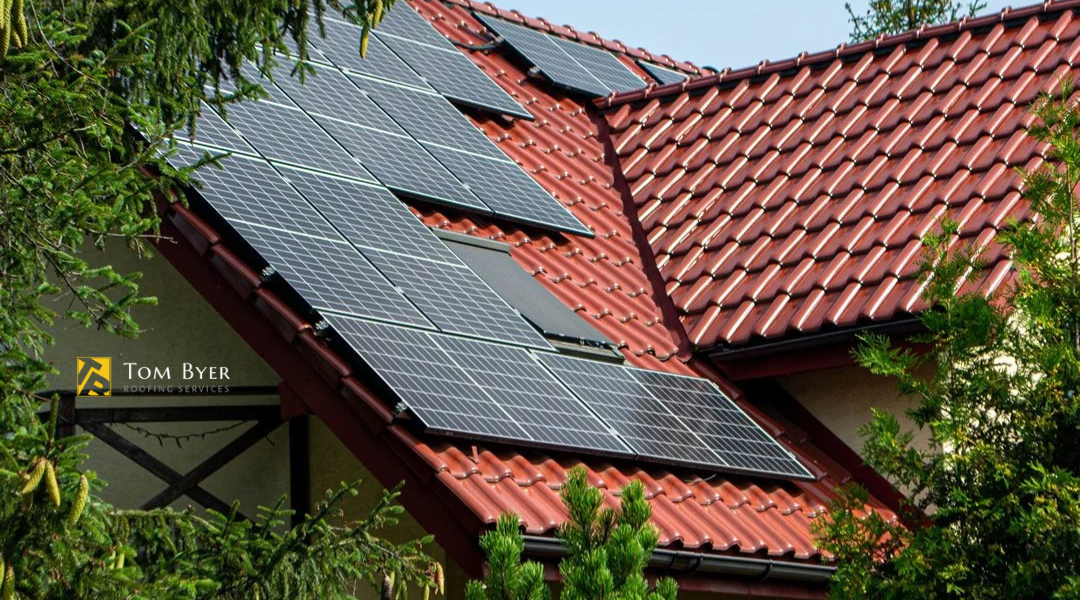
Solar roof panels are an excellent way to harness renewable energy directly from the sun. Installing solar panels not only helps reduce your electricity bills but also decreases your carbon footprint.
You can generate your own electricity, and in some cases, sell excess energy back to the grid. Combining solar panels with roofing materials like metal or clay tiles ensures durability and efficiency. Some newer systems integrate solar cells directly into shingles, providing a sleek look without compromising aesthetics.
Green Roofs – Living Plants For Insulation And Air Quality
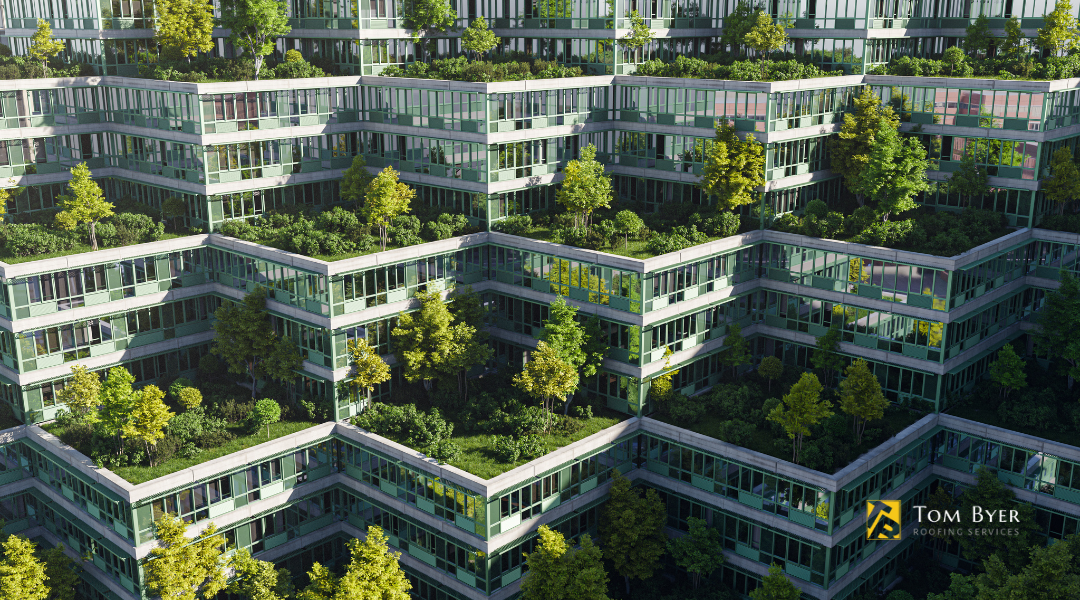
Green roofs, or living roofs, involve growing vegetation directly on your roof. This type of roofing offers excellent natural insulation, helping to regulate temperature both inside and outside your home.
Plants absorb rainwater, reducing runoff and enhancing biodiversity in urban areas. A green roof can also improve air quality and provide a space for rooftop gardens. However, installation may require additional structural support, so consulting a professional is vital.
Recycled Shingles – Sustainable And Cost-Effective
Recycled shingles are made from materials like old asphalt or plastics. They provide an eco-friendly and cost-effective roofing solution, reducing waste in landfills.
These shingles have a similar appearance to traditional asphalt and often come with warranties comparable to new shingles. By choosing recycled shingles, you contribute to sustainability without sacrificing aesthetics or performance. This option is particularly appealing for homeowners looking for a balance between value and environmental responsibility.
Clay And Slate Tiles – Natural And Durable Options
Clay and slate tiles are among the most traditional roofing materials, known for their long-lasting qualities. Both materials are made from natural resources, reducing the reliance on synthetic products.
Clay tiles can keep your home cool in summer months, while slate is highly durable and resistant to water, fire, and pests. Both options contribute to energy efficiency and can give your home a classic aesthetic. Investing in these natural materials can yield long-term benefits in sustainability and style.
Cost And Long-Term Savings Of Sustainable Roofing
When considering eco-friendly roofing options, it’s essential to evaluate both the upfront costs and the potential long-term savings. Sustainable roofs not only impact your initial investment but can also influence your energy bills and maintenance expenses over time.
Upfront Costs Vs. Energy Savings Over Time
The initial cost of sustainable roofing materials can be higher than traditional options. For example, a green roof can range from $10 to $25 per square foot. However, these costs may be offset by energy savings.
By providing improved insulation, eco-friendly roofs reduce heating and cooling needs. Many homeowners experience a 3-6% reduction in energy bills each year. Over time, these savings can balance out the upfront investment, making it a financially wise choice for many.
Incentives And Tax Credits For Green Roofing
You may qualify for various incentives and tax credits when installing eco-friendly roofing. Many local, state, and federal programs encourage sustainable practices through financial incentives. For instance, some homeowners can receive tax deductions for green roofs.
Additionally, utility companies may offer rebates for energy-efficient upgrades. Researching available incentives can reduce your overall costs and make sustainable roofing more accessible for your budget. Always check local guidelines to ensure you take advantage of these potential savings.
Comparing Maintenance Costs Of Eco-Friendly Materials
Maintenance costs vary between roofing materials. Sustainable options like metal or tile roofs often require less maintenance than traditional asphalt shingles. Metal roofs, for example, can last 40-50 years and are generally resistant to weather damage, needing only occasional cleaning.
While some eco-friendly roofs, like green roofs, may require more upkeep, they also reduce stormwater runoff and promote biodiversity. In the long run, lower maintenance costs combined with added environmental benefits make sustainable roofing an appealing choice. You’ll want to consider these factors when planning your roof replacement.
Installation And Maintenance Considerations
When replacing your roof with eco-friendly options, it’s essential to focus on choosing the right contractor, ensuring proper insulation and ventilation, and committing to routine maintenance. These factors will help maximize the performance and lifespan of your new roof.
Finding A Roofing Contractor Experienced In Green Solutions
Choosing a contractor skilled in eco-friendly roofing systems is crucial. You want someone familiar with materials like metal roofs or recycled shingles. Look for certifications in sustainable practices. Ask about past projects and client reviews to gauge their expertise.
Request detailed estimates that outline material choices and installation methods. A knowledgeable contractor should also provide information on how your roofing choice can improve overall energy efficiency, making it easier to integrate with features like energy-efficient windows and solar panel installation.
Proper Insulation And Ventilation For Maximum Efficiency
Proper insulation and ventilation are key to enhancing energy efficiency. Insulation prevents heat loss in winter and limits heat gain in summer. This helps in maintaining consistent indoor temperatures. Consider using materials like spray foam insulation, which offers high R-values.
Ventilation allows air circulation, reducing moisture buildup and prolonging your roof’s life. A well-ventilated attic can keep temperatures lower, reducing the need for cooling. Be sure to integrate ventilation solutions, such as ridge vents or soffit vents, during installation to achieve the best results.
Routine Maintenance To Extend Roof Lifespan
Regular maintenance is vital to keep your eco-friendly roof in good shape. Schedule inspections at least twice a year, especially after severe weather events. Clear gutters and downspouts of debris to prevent water damage and mold growth.
Check for any signs of wear or damage, such as loose shingles or corroded metal. Prompt repairs can prevent costly deterioration. You might also consider improvements in insulation or adding solar panels to boost efficiency and sustainability over time. Routine maintenance ensures your investment lasts longer and works effectively.
Additional Ways To Make Your Roof More Sustainable
You can enhance your roof’s sustainability through effective systems and materials. These options benefit the environment while improving your home’s efficiency. Explore how to implement rainwater collection, improve ventilation with solar fans, and choose safe underlayment materials.
Rainwater Collection Systems And Gutter Efficiency
Rainwater collection systems are an excellent way to make your roof more sustainable. You can install gutters that direct rainwater into barrels or cisterns. This collected water can be used for irrigation and other non-potable needs, reducing your reliance on municipal water.
To maximize efficiency, ensure your gutters are well-maintained and free of debris. Consider integrating smart home technology to monitor water levels and manage distribution automatically. Using materials designed to reduce runoff can enhance this system’s effectiveness.
Solar Attic Fans For Improved Ventilation
Installing solar attic fans can significantly improve your roof’s sustainability. These fans use solar energy to ventilate your attic, reducing heat buildup. This process helps maintain a consistent temperature in your home, lowering air conditioning costs.
With a reduced need for energy, your home becomes more eco-friendly. Smart thermostats can complement these fans by adjusting home temperatures based on real-time conditions, creating an efficient energy system. When selecting a fan, ensure it has a durable, efficient motor to last years.
Choosing Non-Toxic And Sustainable Underlayment Materials
Selecting non-toxic underlayment materials is vital for a sustainable roof. Look for options made from recycled materials or natural fibers. These alternatives not only reduce environmental impact but also help keep your indoor air quality safe.
Popular choices include organic felt and synthetic materials that are free from harmful chemicals. Using sustainable underlayment can improve your roof’s durability and energy efficiency. When hiring a contractor, inquire about their options and whether they use brands committed to eco-friendly practices.
Final Thoughts And Choosing The Right Eco-Friendly Roof
When considering an eco-friendly roof, think about property value. Sustainable roofs can boost your home’s worth. Many buyers appreciate energy-efficient features, making your home more attractive.
Aesthetics also play a significant role. Select a roofing style that enhances your home’s design. Choices like green roofs or cool roofs can add beauty while being functional.
You should assess different eco-friendly materials. Metal roofs are durable and light-reflective. They also come in various colors to match your style.
If you prefer a natural look, consider slate or wood options. They blend well with many designs while remaining sustainable.
Take into account your local climate. Some materials perform better in specific weather conditions. For example, cool roofs are great in sunny areas as they reflect heat.
Lastly, consult with a knowledgeable roofing contractor. They can help you understand your options and make the best choice for your home. An expert can ensure you get the best eco-friendly roof for your needs and budget.