
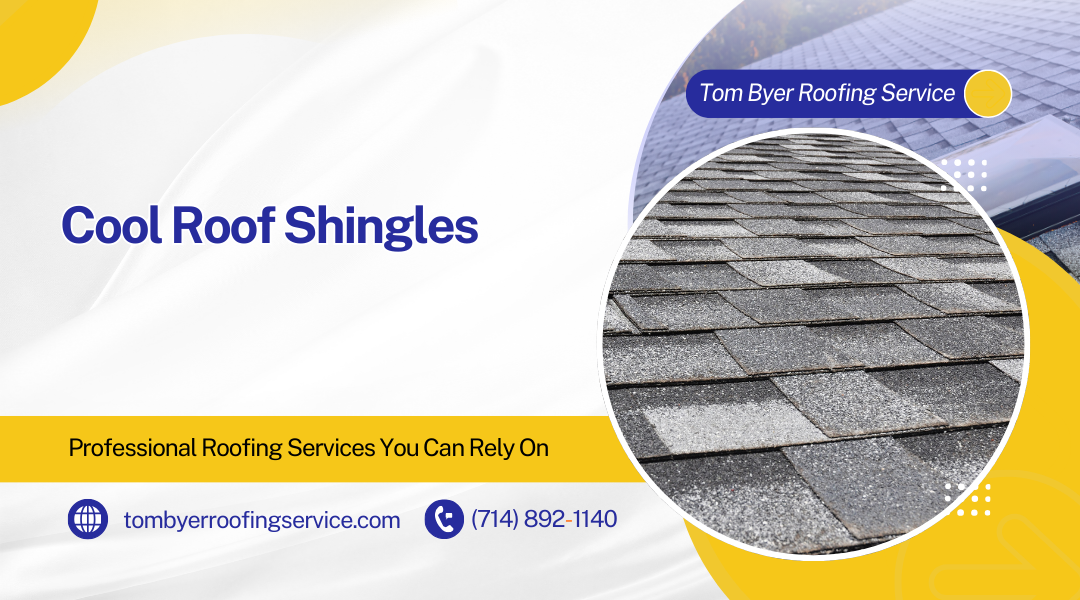
Finding the right roofing solution in Orange County can be tricky when you want both energy efficiency and great curb appeal. Many cool roof shingles are built for large commercial buildings, but that doesn’t mean your home has to look that way. You can install cool roof shingles that reflect sunlight, lower indoor temperatures, and still complement your home’s design.
You’ll see how modern cool shingles now come in styles that mimic slate, wood shake, and asphalt, fitting seamlessly into neighborhoods across Garden Grove and beyond. These materials help reduce heat gain without looking industrial or out of place. They allow you to enjoy energy savings and comfort while keeping your home’s visual charm.
At Tom Byer Roofing Service, you’ll find experts who understand both performance and style. With decades of experience in Southern California’s climate, the team helps you choose design-friendly shingles that balance efficiency, durability, and aesthetic appeal.
Where Cool Roof Shingles Actually Apply In Orange County Neighborhoods
Your home’s location, roof design, and community appearance rules all affect how well cool roof shingles perform. Neighborhood zoning, homeowners’ associations (HOAs), and local weather patterns can determine which materials balance efficiency, strength, and curb appeal.
Architectural Styles And HOA-Driven Appearance Limits
Many Orange County neighborhoods, especially those in Garden Grove, Irvine, or Mission Viejo, have HOAs that regulate exterior colors and materials. While cool roof shingles once looked industrial, new reflective asphalt shingles now come in warm earth tones or textured finishes that blend with Spanish, Craftsman, or mid-century homes.
If you live in a community with tight design rules, you can choose products meeting cool roof reflectance standards without drawing attention. Brands using technology similar to SureNail® features combine high wind resistance and clean edges with subtle color blends, keeping roofs compliant and resilient.
Some HOAs require pre-approval for visible upgrades, especially on two-story homes or corner lots. Bringing in samples and technical data about reflectivity can help you show that these shingles meet Title 24 energy codes without changing the home’s design integrity.
Climate Zones And Roof Exposure Conditions Where Aesthetics Matter Most
Orange County sits across several state-defined climate zones. Coastal cities like Huntington Beach and Newport Beach experience milder temperatures and sea air exposure, which may call for corrosion-resistant roofing with balanced reflectivity. Inland areas such as Anaheim or Fullerton face higher heat loads and benefit more directly from solar-reflective shingles.

Homes with full-sun exposure, flat pitches, or dark exterior finishes see the best thermal reduction. A lighter roof tone might reduce attic heat by several degrees in summer. That improvement means less air conditioning use and more stable indoor comfort.
However, appearance still matters when visible roofs define the home’s look from the street. Neutral reflective granules—beige, taupe, or light gray—keep a clean aesthetic and meet state codes without appearing overly bright or shiny.
Situations Where Cool Roofing Offers Limited Visual Or Thermal Payoff
Some Orange County properties don’t gain significant benefits from cool roof shingles. Shaded lots in older neighborhoods like Tustin often sit under mature trees that already block intense sun exposure. In such settings, reflectivity has less effect on indoor temperature.
Homes with steep or limited roof visibility may not justify the extra cost for color-matched reflective shingles since curb appeal differences are minor. Likewise, heavily insulated attics or radiant barriers already control heat transfer, limiting further savings.
If your roof structure is near the end of its life or shows wear at nail joints and flashing, focus first on proper installation and sealing systems. Using precision fastening lines such as a SureNail-type system ensures tight seams and longer durability—whether the shingles are cool-rated or standard.
The Design Mechanics Behind “Non-Commercial” Cool Shingles
Cool shingles use controlled material science and design choices to balance efficiency and curb appeal. You can get roofs that reflect sunlight, manage heat, and still blend with traditional Orange County homes through smart granule design, optical engineering, and subtle texturing.
Granule Technology And Color Engineering
Modern cool roof shingles rely on coated granules that redirect sunlight while keeping natural color tones. Manufacturers apply reflective pigments to mineral granules before embedding them in asphalt layers. These pigments limit heat absorption from infrared light but keep the same visible color depth you expect from architectural shingles or three-tab shingles.
You often see these in medium and dark hues like weathered wood or slate. Even though these darker shades look rich, they still reach Solar Reflectance Index (SRI) values similar to lighter shingles thanks to pigment layering. The coating process also adds UV resistance, which helps maintain color stability over time.
| Feature | Benefit | Example Use |
|---|---|---|
| Reflective pigment coating | Lowers attic heat gain | Warm climates like Garden Grove |
| Multi-layer granules | Reduces fading | Coastal or sunny properties |
| Color calibration | Maintains aesthetic tone | HOA-controlled neighborhoods |
Reflectance Vs. Perceived Color Depth
High-reflectance roofing doesn’t have to look pale or commercial. You can choose shingles that reflect thermal radiation but appear deeper because of how light interacts with the surface finish. Reflectivity measures how much solar energy a surface sends back, while perceived depth depends on tone contrast and surface structure.

For residential projects, this means you can use a dimensional shingle that feels traditional while still cutting surface temperature. Some brands use dual-layer lamination that changes how sunlight scatters across the granules, producing a shaded appearance. By balancing light reflectance and visible tone, roofs look similar to standard 3-tab shingles but perform more efficiently under heat stress.
Profile, Shadow Lines, And Texture As Visual Camouflage
Shingle profile design affects both shade perception and curb style. A varied profile with shadow lines breaks up uniform patterns, giving roofs a more hand-cut look. Architectural shingles—also called laminated shingles—achieve this by layering asphalt sections that create an uneven upper surface.
Texture changes how sunlight and shadow move across the roof plane. Low-relief patterns can make reflective shingles appear less glossy, which keeps them from looking like a flat, commercial surface. Some roof shingle lines use alternating high and low tabs to mimic wood shake texture. This approach hides the reflectivity you need for energy efficiency beneath natural-looking detail that suits most Orange County neighborhoods.
Interpreting Tradeoffs Between Appearance, Efficiency, And Longevity
Choosing cool roof shingles involves balancing looks, energy savings, and how long the material lasts. You need to consider how color and surface texture affect solar reflectance, how coastal weather impacts finishes, and how the cost compares with the lifespan of the roof.
Heat Reduction Gains Versus Marginal Efficiency Differences
Cool roof shingles are designed to reflect sunlight and reduce roof surface heat. In most Orange County homes, this can help lower attic temperatures by 20–30°F, cutting cooling demand in warmer months. But once reflectance reaches a certain point, additional gains become smaller.
A well-ventilated attic helps you get the most from these shingles. Proper ventilation moves the trapped heat outward, which supports a steady indoor temperature. Without it, even high-rated shingles won’t reduce your cooling costs as much as expected.
Keep in mind that darker shades often reflect slightly less heat than light-colored ones, but the difference is usually small when using high-quality reflective granules. For many homeowners, this small tradeoff allows you to maintain curb appeal while still enjoying most of the energy benefits.
Color Retention, Weathering, And Coastal Exposure
In coastal areas like Garden Grove, sun exposure, humidity, and salt air can wear down roofing materials faster. Color retention becomes especially important for design-focused shingles that match your home’s style. Materials with ceramic or polymer coatings resist fading and chalking better than standard granule finishes.
Frequent exposure to ocean moisture can affect surface reflectivity over time. Selecting shingles with tested solar reflectance values above 0.25 and thermal emittance values near 0.75 helps maintain cooling performance as the roof ages.
You should schedule routine roof inspections to remove buildup from salt and debris. This upkeep not only helps keep the surface reflective but also protects flashing, underlayment, and fasteners that can corrode under coastal conditions.
Cost And Lifespan Implications Of Design-Focused Cool Shingles
Attractive cool shingles usually come at a slightly higher price, but most offer extended service life that offsets the cost. The table below compares estimated price and longevity ranges for typical design-centered materials:
| Material Type | Estimated Cost (per square) | Average Lifespan |
|---|---|---|
| Cool Asphalt | $90–$120 | 15–30 years |
| Metal Shingles | $120–$200 | 40–70 years |
| Ceramic-Coated | $100–$150 | 20–40 years |
Metal shingles generally provide the longest lifespan and highest reflectivity, while cool asphalt and ceramic-coated styles give you more aesthetic flexibility at a lower cost. When paired with good insulation and attic ventilation, even midrange options can perform well and stay durable in Southern California’s climate.
How Design-Friendly Cool Shingles Fit Within Broader Roofing Systems
When you choose cool roof shingles, you’re not only thinking about appearance but also how the materials perform as part of your entire roofing system. These shingles reflect more sunlight and absorb less heat, helping to lower attic temperatures and reduce cooling demands in Orange County’s warm climate.
Cool shingles from manufacturers like Owens Corning®, GAF, and CertainTeed use high-reflective granules that blend into common roof colors. This makes them fit easily with different roofing styles, whether you prefer a modern, Mediterranean, or Craftsman design.
A complete roofing system includes several connected elements:
| Roofing Component | Purpose | Notes |
|---|---|---|
| Underlayment | Adds moisture protection | Works best with vented and insulated roof decks |
| Ventilation | Balances attic airflow | Prevents heat buildup under cool shingles |
| Flashing | Seals joints and edges | Must be compatible with chosen roofing materials |
| Shingles | Provides the top protective layer | Cool versions maintain energy efficiency and curb appeal |
When planning roof replacement, you can combine cool shingles with improved insulation, ridge vents, and radiant barriers to boost long-term efficiency. You’ll gain both durability and lower energy use without giving up style.
By integrating these design-friendly shingles within a complete system, your roof can perform reliably while maintaining a natural, residential look that suits your home and neighborhood.
Closing Perspective On Residential Cool Roofing Without Commercial Aesthetics
When you choose a cool roof, you don’t have to accept a flat, industrial look. Modern products let you select styles that match the character of your home while still improving energy performance. You can pick from options like asphalt shingles, metal panels, or clay tiles that have reflective coatings or light-colored granules.
Design-friendly cool shingles now come in many tones beyond plain white. Subtle shades of gray, beige, or even light terra cotta help you keep a warm residential look. This flexibility works well in Orange County neighborhoods where both appearance and comfort matter.
| Feature | Benefit for Your Home |
|---|---|
| Reflective surfaces | Reduce roof temperature and cooling costs |
| Varied colors and textures | Maintain curb appeal and match exterior finishes |
| Energy Star® certifications | Support energy efficiency and code compliance |
You can also combine form and function by matching shingle profiles to your home’s style—architectural shingles for traditional homes or standing seam metal for modern builds. Choosing a high-quality product from trusted brands can enhance both performance and appearance.
With expert installation from Tom Byer Roofing Service in Garden Grove, your cool roof can blend seamlessly into the neighborhood while helping lower energy use. You get the advantage of durability and comfort without giving your home a commercial look.


