
When it comes to choosing the right roofing materials for your home or business, understanding the options can make a significant difference. You may find that asphalt, metal, and flat roofs each offer unique benefits suited to different needs and preferences. Each type of roofing material has its pros and cons, influencing factors such as durability, cost, and appearance.
As a leading roofing contractor in Garden Grove, Tom Byer Roofing Service knows the importance of making an informed decision. Your roofing choice can impact energy efficiency, maintenance requirements, and even the overall aesthetic of your property. From traditional asphalt shingles to modern metal options and practical flat roofs, it’s essential to consider which material will serve your specific goals best.
Choosing the right roofing system goes beyond mere aesthetics; it is also about performance against California’s varied weather conditions. Understanding these differences not only helps protect your investment but also ensures that your property remains safe and secure. With insights into each type of roofing material, you will be better prepared to select the perfect option for your needs.
Asphalt Roofing – Affordable and Versatile
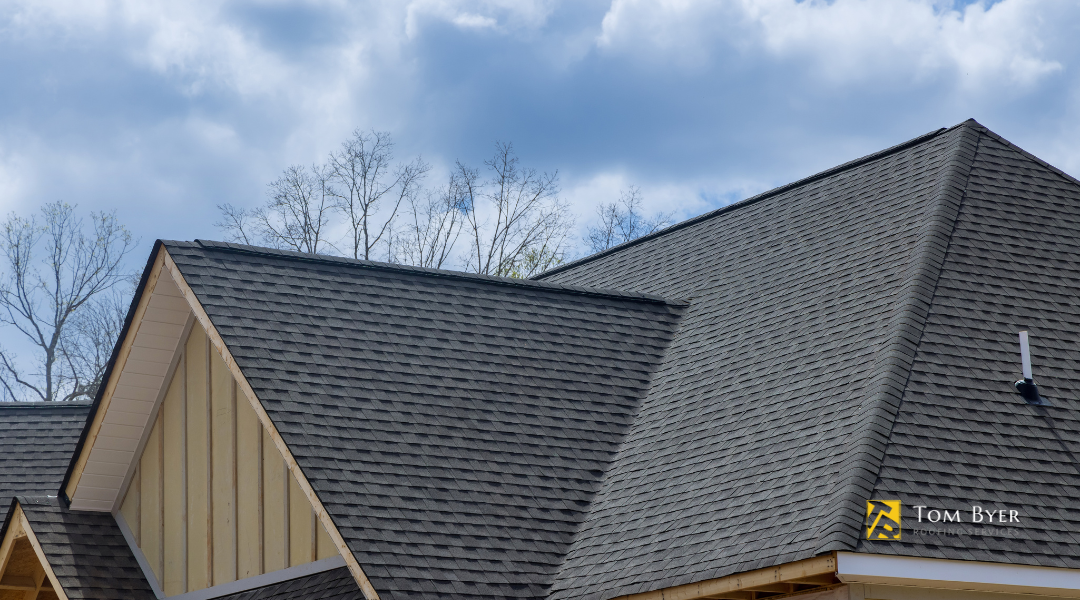
Asphalt roofing is a popular choice for many homeowners due to its affordability and versatility. With various styles and easy installation, asphalt shingles meet the needs of different budgets while providing effective protection.
Overview and Key Features of Asphalt Shingles
Asphalt shingles are one of the most commonly used roofing materials. They are made from a fiberglass mat coated with asphalt and mineral granules. This construction makes them durable and water-resistant.
You can choose from two main types: 3-tab shingles and architectural shingles. 3-tab shingles are lighter and cheaper, while architectural shingles offer a thicker profile and a more dimensional appearance. This variety allows homeowners to select styles that complement their homes, increasing aesthetic appeal.
Pros – Cost-Effective, Easy Installation, and Variety of Styles
One of the standout advantages of asphalt shingles is their low cost. They are generally more affordable than metal or flat roofing options. Installation is also straightforward, which can lower labor costs. Most roofing contractors can complete the job quickly, often in just one or two days.
Additionally, asphalt shingles come in many colors and styles. This means you can match your roof to your home’s exterior without compromising on looks. Whether you prefer a classic look or something modern, there are options that will fit your vision.
Cons – Shorter Lifespan and Vulnerability to Extreme Weather
Despite their many benefits, asphalt shingles have some drawbacks. They typically have a shorter lifespan, ranging from 15 to 30 years, depending on the quality. In contrast, metal roofs can last 50 years or more.
Another concern is their performance in extreme weather conditions. Heavy rain, hail, or high winds can damage asphalt shingles, leading to leaks. While newer products are designed to withstand harsher climates, you should still consider your local weather when choosing materials.
Best Applications – Residential Homes and Budget-Friendly Projects
Asphalt shingles work best for residential buildings and budget-friendly projects. They suit various architectural styles, from traditional to contemporary homes. Additionally, their lower cost makes them appealing for homeowners looking to renovate without overspending.
Moreover, if you are in an area with moderate weather, asphalt shingles can provide adequate protection. However, if you live in places with harsh climates, it is wise to evaluate other materials that may offer greater durability.
In summary, asphalt roofing is a solid choice, especially when considering cost-effective options for your home.
Metal Roofing – Durable and Energy Efficient
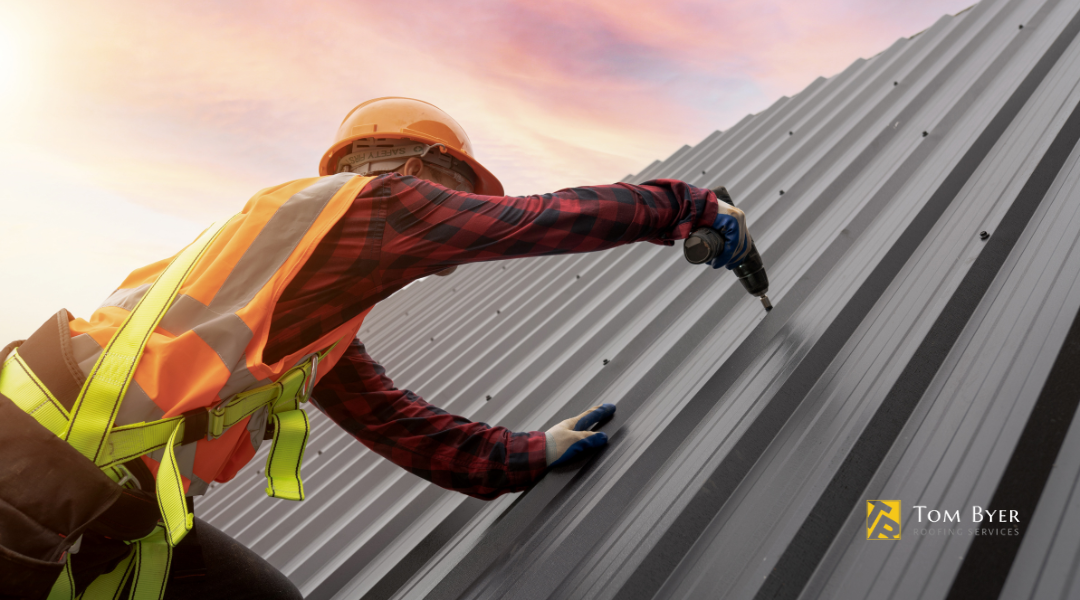
Metal roofing is becoming a popular choice for many homeowners and commercial properties. This material stands out for its durability and energy efficiency. Understanding its features, advantages, and drawbacks can help you decide if it’s the right fit for your building.
Overview and Key Features of Metal Roofs
Metal roofs are made from various materials such as aluminum, steel, and copper. They are known for their long lifespan, often lasting 40-70 years with proper care.
The surface of metal roofs can be designed with metal shingles or sheets, giving you flexibility in aesthetics.
Additionally, metal roofs can reflect solar heat, which contributes to energy savings. Their lightweight nature allows for easy installation, and they can be placed over existing roofing materials, reducing waste.
Pros – Longevity, Fire Resistance, and Low Maintenance
One of the biggest advantages of metal roofing is its longevity. Metal roofs are resistant to rot, insects, and decay, providing peace of mind that your investment will last.
They also rank high in fire resistance, potentially lowering your homeowners’ insurance premiums. This is particularly important in fire-prone areas.
Maintenance is minimal, often requiring just an occasional washing to keep them looking new. You can feel confident knowing that investing in a metal roof means fewer repairs over time, translating to lower long-term costs.
Cons – Higher Initial Cost and Potential for Noise
While metal roofs have many benefits, they do come with considerations. The initial cost is generally higher compared to asphalt shingles.
You might pay 2 to 3 times more upfront, which can be a deterrent for some homeowners. However, many find that the long-term savings in durability and energy efficiency outweigh this initial expense.
Another drawback is potential noise during rain or hail. Some homeowners choose to add insulation to combat this, which can also enhance energy efficiency.
Best Applications – Modern Homes, Commercial Buildings, and High-Wind Areas
Metal roofing is particularly well-suited for modern homes and commercial buildings. Its sleek look can enhance curb appeal and fits well with contemporary architectural styles.
In addition, metal roofs perform exceptionally well in high-wind areas. Their design minimizes the risk of damage during storms by resisting uplift and debris impacts.
Metal roofs are also ideal for buildings looking for sustainable solutions. They help in reducing energy costs and can be made from recycled materials, further enhancing their appeal in eco-friendly projects.
Flat Roofs – Modern and Functional
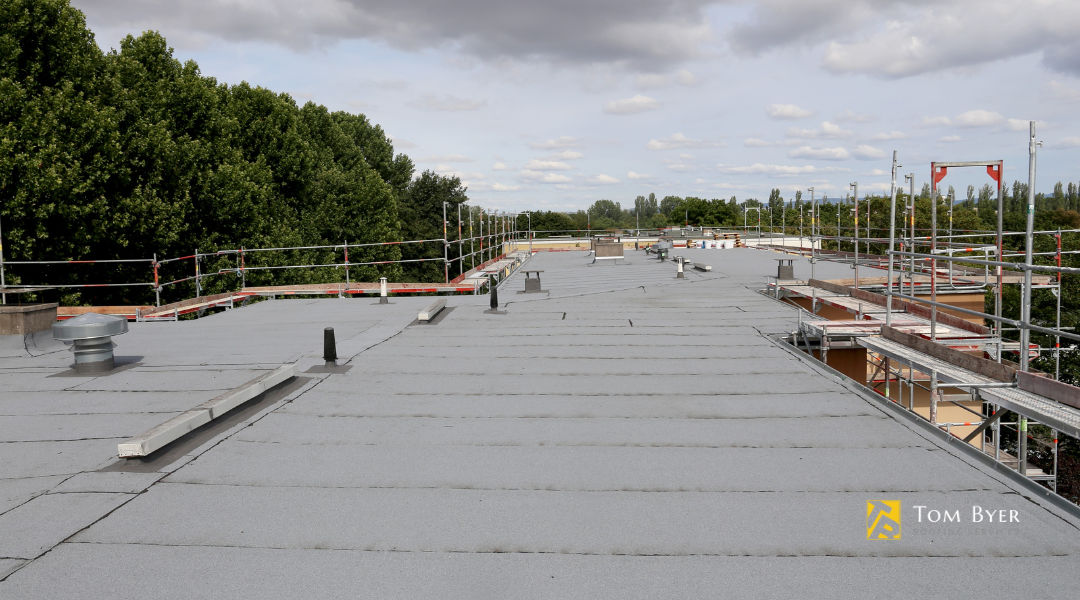
Flat roofs are a practical choice for many modern structures. They offer unique benefits such as space utilization and typically require less maintenance. Understanding their features, advantages, and best uses can help you decide if this roofing style meets your needs.
Overview and Key Features of Flat Roof Systems
Flat roofs are designed with minimal slope, making them easier to install than traditional sloped roofs. They usually consist of several layers, including a waterproof membrane, insulation, and a top surface. Popular materials include modified bitumen, thermoplastic, and EPDM rubber.
These roofs are often lighter than other roofing options, which can reduce stress on the building structure. Additionally, flat roofs provide excellent heat resistance. By using cool roof coatings, you can enhance their reflective surface, reducing heat absorption and lowering cooling costs.
Pros – Cost-Effective, Space Utilization, and Easy Maintenance
Flat roofs are often more affordable to install compared to sloped roofs. Their simpler design requires fewer materials and less labor, making them a cost-effective solution.
You can also maximize space on a flat roof. This area can be used for rooftop gardens, solar panels, or simply as outdoor living spaces. This utility adds value to your property by creating additional usable area.
Maintenance is generally more straightforward with flat roofs. Regular inspections can catch issues early. You have easier access for repairs or cleaning, which can help extend the lifespan of your roof.
Cons – Drainage Issues and Shorter Lifespan Compared to Sloped Roofs
While flat roofs have many benefits, they are not without drawbacks. One of the main concerns is drainage. Since they lack the slope of other roofs, water may pool rather than drain away. This can lead to leaks and water damage if not managed properly.
Additionally, flat roofs often have a shorter lifespan. They may need repairs or replacement sooner than sloped roofs. Regular maintenance is crucial to catch wear on materials that may degrade faster, especially under harsh weather conditions.
Best Applications – Commercial Buildings and Contemporary Homes
Flat roofs are commonly found on commercial buildings. Their solid structure allows for various installations, such as HVAC units and solar panels. You often see these roofs on warehouses and shopping centers.
In contemporary residential designs, flat roofs offer a sleek, modern look. They can enhance architectural appeal and fit well with urban environments. Additionally, they can be practical for homes in warmer climates where space for rooftop gardens or outdoor living is desirable.
Consider your specific needs and preferences when choosing a roofing style. Flat roofs could be the ideal fit for your property.
Comparing Roofing Materials – Which One Is Right for You?
Choosing the right roofing material involves several important factors. Cost, durability, energy efficiency, and maintenance can all significantly impact your decision. Here’s a look at what you should consider about each option.
Cost Comparison – Initial Investment vs. Long-Term Savings
When comparing roofing materials, cost is a primary concern. Asphalt shingles typically have a lower initial cost, ranging from $2 to $7.50 per square foot, making them a popular choice for budget-conscious homeowners. Metal roofs, while pricier at about $5 to $12 per square foot, offer long-term savings through durability and energy efficiency.
Flat roofs can vary in cost depending on the material chosen—like TPO or EPDM, generally costing between $4 to $8 per square foot. While the initial investment might be higher for some options, consider that metal can last 40 years or more, ultimately saving you money on replacements and repairs.
Durability and Lifespan of Each Material
Durability is vital for your roof’s performance. Asphalt shingles usually last 15 to 30 years but can suffer in extreme weather. Metal roofing is known for its long lifespan, often exceeding 40 years, making it a strong option for various climates.
Flat roofs can have a lifespan of 10 to 30 years, depending on the materials used. However, they may require more frequent repairs, especially in areas with heavy rainfall or snow. Assessing the climate in your area can help determine which material will endure the longest and minimize your repair costs.
Energy Efficiency and Environmental Impact
Energy efficiency varies across roofing materials. Metal roofs reflect sunlight, which can reduce cooling costs, particularly in hot climates. Asphalt shingles, on the other hand, absorb heat, potentially increasing your energy bills.
Flat roofs can also be energy-efficient when combined with reflective coatings or green roofing options. Sustainability is another consideration. Some asphalt shingles now contain recycled materials, which can lessen their environmental impact. Metal roofs are often made from recycled materials and are 100% recyclable at the end of their lifespan, contributing to a greener choice.
Maintenance Requirements and Repair Considerations
The maintenance needs of your chosen roofing material can influence your decision. Asphalt shingles require regular inspection, with annual checks recommended to identify any damage early. Replacing missing or damaged shingles is typically straightforward but can add to your maintenance costs.
Metal roofs usually require less maintenance, as they are resistant to rot and insects. Still, periodic inspections are essential to check for rust or loose panels. Flat roofs may need regular maintenance to prevent pooling water, which can lead to leaks. Being proactive in maintenance for any roofing material can reduce the likelihood of costly repairs later.
Final Thoughts and Expert Recommendations
Choosing the right roofing material is important for you and your home. Here are some key points to consider:
- Asphalt Roofs: These are affordable and offer a variety of styles. They typically come with a warranty of 20–30 years, making them a reliable choice for budget-conscious homeowners.
- Metal Roofs: These roofs are durable and can last 50 years or more. Metal roofs may cost more upfront, but their longevity and energy efficiency can save you money in the long run. Look for warranties that provide coverage for up to 50 years.
- Flat Roofs: Common in commercial buildings, they require regular maintenance. If you choose a flat roof, make sure it comes with a strong warranty, as leaks can become an issue over time.
Before deciding on a new roof, evaluate your climate, budget, and home style.
- Expert Tip: Consult with a roofing contractor to understand which material best suits your needs. They can guide you on warranties and help ensure proper installation.
Make the investment that fits your lifestyle and protects your home. A quality roof is critical for your home’s safety and value.